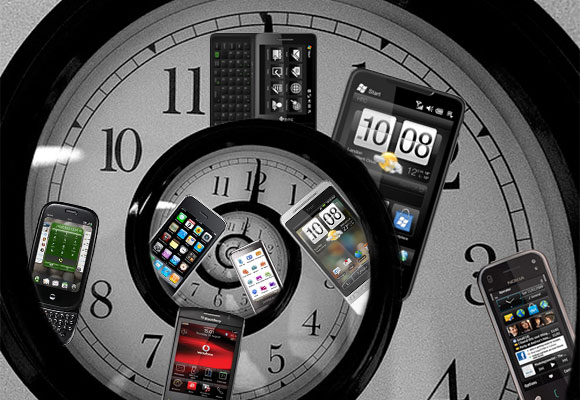
Counterclockwise: HTC One X, Nokia N86, Sony Ericsson Satio

Do you know which Symbian phone had an adjustable aperture on its camera? We do. That knowledge is ancient lore by now (from 2009) and has little bearing on the phone market today. Other than to grumble why modern phones don't do that and to write the Counterclockwise column, of course.
The evolution of the One
Last week we traced HTC's love of metal unibodies, this time we'll look more closely at the birth of the One series. In mid-February 2012 a rumor came out that the HTC Endeavor will be renamed the HTC One X. That one wasn't metal, instead it used durable polycarbonate, similar to what Nokia was using for its Lumias at the time.
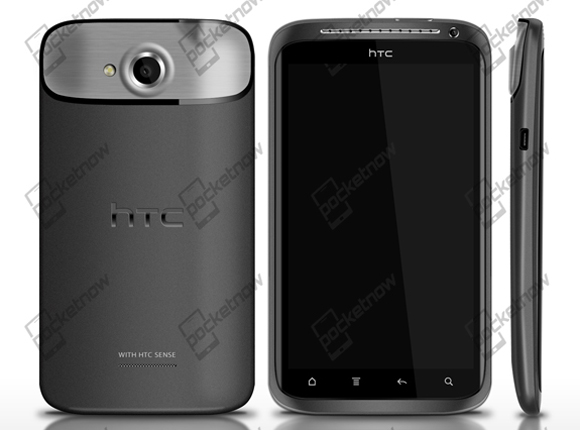
The rumor mill soon paired the X with the One V and One XL. The HTC One XL was a Snapdragon version of the One X (which used a Tegra 3 chipset), it also had LTE connectivity (aimed at the US market) and more storage in the base model.
The HTC One V was to be the entry-level device, which completes the lineup alongside the HTC Ville. The Ville was the first to leak, months ahead of its siblings, and was later renamed the One S.
The HTC One S had an anodized aluminum unibody, was very thin for its day (7.8mm is great even today) and packed a 4.3" Super AMOLED display. It was powered by the same Snapdragon chipset as the One XL, which later in life proved useful when HTC ran into troubles trying to update Tegra 3 phones to Android 4.4 KitKat.
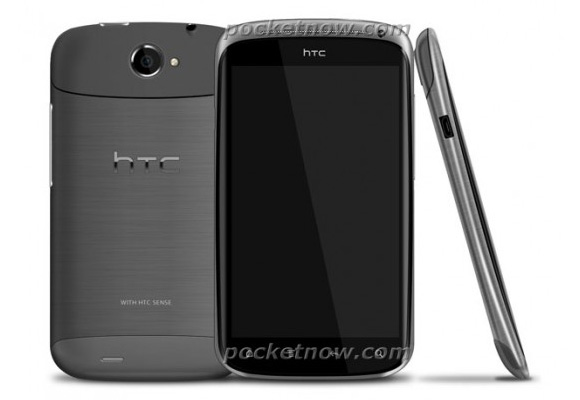
Both the One S and One X had a Beats Audio logo on their backs and promised superior listening experience. HTC even experimented with bundling expensive Beats headphones with the One phones, but that didn’t last long. HTC's collaboration with – and part ownership of – Beats didn’t last long either (Apple bought Beats for a lot more money than HTC sold it for).
Not long after HTC's CEO showed the unofficial One X successor, the HTC One became official. It went all-metal like the One S and packed high-quality audio hardware and the trademark front-facing stereo speakers. Beats was no more, but HTC commitment to audio didn’t waver.
A year after that the new HTC One (M8) leaked. It tried to build on its predecessor's unique camera – low-resolution, but with large pixels – by adding a secondary camera. Not for 3D, but for trendy depth effects. Recent leaks for the One (M9) show that unlike audio, the Duo camera experiment will not last.
Mobile camera week
In February 2009 major smartphone manufacturers were gearing up to release amazing camera phones. Nokia unveiled the N86 8MP, which as the name suggests had an 8MP camera. It had a wide-angle 28mm lens courtesy of Carl Zeiss and a mechanical shutter.
The Nokia N86 8MP had a unique feature not found on most phones today – a variable aperture. The camera could shoot at f/2.4, f/3.2 or f/4.8 depending on lighting conditions. The phone also had a beautiful 2.6 OLED screen to view photos, stereo speakers for better sound for the VGA@30fps videos and 8GB of storage to store them. There was no xenon flash as on the Nokia N82, instead the N86 8MP packed dual-LED flash.


Nokia N86 8MP
LG meanwhile updated its Renoir phone with the LG KC910i. It too had an 8MP camera, with lens from rival Schneider-Kreuznach optics, manual focus option and xenon flash. It could record VGA video at 30fps or QVGA at 120fps.


LG KC910i Renoir
Samsung was in the game too with the Omnia HD. It was a Symbian smartphone like the Nokia, but its 8MP camera could record 720p video (at 24fps). It also had a bigger 3.7" AMOLED screen, a touchscreen no less, and stereo speakers.

Samsung Omnia i8910 Omnia HD
Finally, Sony Ericsson was teasing the Idou (later Satio), which was going to top all those with a 12MP camera loaded with xenon flash. It was a touch Symbian smartphone too (3.5" LCD). Video capture was capped at VGA, later updated to widescreen WVGA.


Sony Ericsson Idou
At the same time the company unveiled the Sony Ericsson W995. A Walkman rival to the Nokia N86 8MP, it too was a slider with an 8MP camera, 8GB of storage and stereo speakers. It was a feature phone though and could only record 320p video, so it focused on Sony's iconic Walkman name more than it did on camera wonders.


Sony Ericsson W995
All these phones were unveiled within a week of each other – and what a week it was.
Bumped on the head
A year after the death grip debacle, the court compelled Apple to give iPhone 4 buyers a $15 bumper for free as a result of a class-action lawsuit. The so-called Antennagate centered around a flaw in the iPhone 4 antenna design, which made it easy to block the cell signal with just your hand.
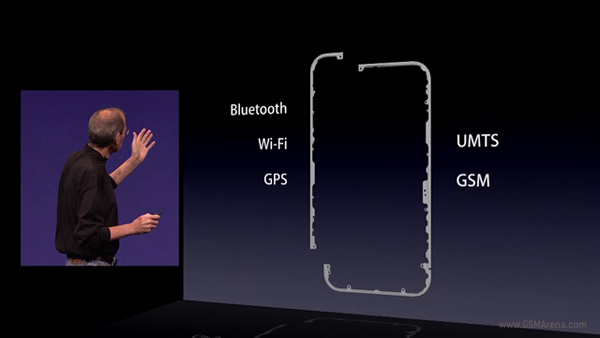
The solution was a bumper – a colorful rubber band that covered the exposed metal frame of the iPhone 4. That metal frame looked cool, but was also the phone's antenna, which caused the issue. True to self, Apple passed off the bumpers as a fashion accessory that adds color to your black or white iPhone 4 (we just got a flashback of how long it took Apple to release the white one).
The company learned its lesson and the iPhone 4S antenna design was resilient to interference from users palms. At least this incident left us with Steve Jobs' quote "you're holding it wrong."
Reader comments
- Anonymous
- p2I
Poor HTC One X user here. Was awesome when released. Until Tegra 3 ruined everything. :(
- AdamBoy64
- Fv4
Man, the Nokia N86 looked like it was a nice phone. Looks like I missed out on some great devices.





Tip us
2.1m 180k
RSS
EV
Merch
Log in I forgot my password Sign up