Google Pixel 10a review
Display
The Pixel 10a has the same panel as the Pixel 9a - a 6.3-inch P-OLED with 1,080 x 2,424 pixels (422ppi) and 120Hz refresh rate. It supports HDR10+ video content.

The screen has improved advertised brightness properties since the 9a - 2,000 nits of high maximum brightness (up from 1,800) and 3,000 nits of peak brightness (up from 2,700).
There is a new feature, too - Adaptive Tone (a.k.a. True Tone on the iPhones). It's a feature that adjusts the display color temperature to match the ambient lighting using a color temperature sensor. And it works as advertised, showing warm colors under warm light and cooler hues otherwise, though its benefit is dubious.
We've completed our display test, and our measurements are in line with Google's advertised numbers. We captured 1,308 nits of maximum manual, 2,169 nits of maximum automatic (HBM), and almost 2,900 nits of peak brightness.
The minimum brightness at a white screen was just 1.7 nits.
You can see that the improvements over the Pixel 9a are minimal. But this Pixel still pulls one of the best brightness numbers in this compact class.
Max display brightness test
White test pattern (nits)
- Manual (75% fill)
- Auto (75% fill)
- Peak Auto (10% fill)
 Pixel 9
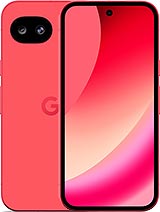 Pixel 10a
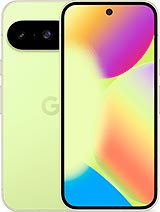 Pixel 10
 Pixel 9a
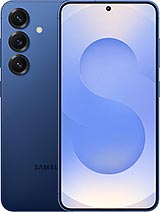 Galaxy S25
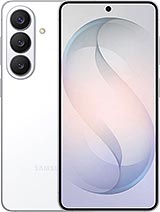 Galaxy S26
 Xiaomi 17
 iPhone 17
The Pixel 10a supports a 120Hz maximum refresh rate, but there are no special modes for it - just an ON/OFF switch called Smooth display. When enabled, the Pixel 10a is in Auto mode, where it decides which content to use a high refresh rate for and which not to.
When Smooth Display is OFF, you will be at a fixed 60Hz refresh rate.
The OS uses 120Hz for the entirety of the system UI and most compatible apps. Browsers, streaming apps, benchmarks, games even - they all go for 120Hz when possible. Naturally, when the picture is static, the refresh rate goes down to 60Hz.
The Pixel 10a's display supports HDR10 and HDR10+. There is also support for the highest possible L1 Google Widevine DRM certification. YouTube and Netflix are among the apps that offer HDR10 streaming.
Battery life
The Pixel 10a is powered by the same 5,100mAh as the Pixel 9a. We sort of expected the same battery life, but we were in for a surprise.
The Pixel 10a scored an Active Use Score of 15:13 h, doing much better than the Pixel 9a across all of our tests and especially when it comes to video streaming. We can't be sure how Google's achieved this, but if we had to guess, it's probably a new, more power-efficient display panel.
Charging speed
The Pixel 10a supports up to 30W fast wired and up to 10W wireless charging, up from 23W and 7.5W on the Pixel 9a.
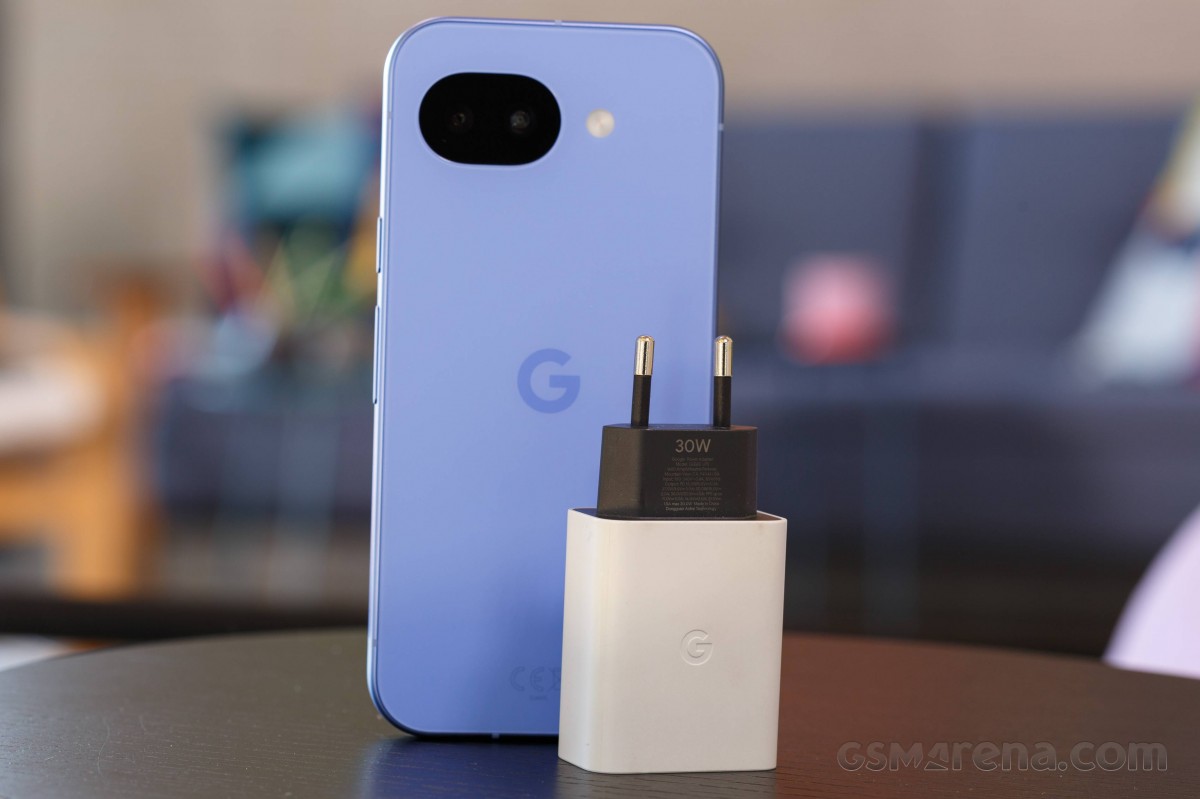
We carried our battery charging test with Pixel's own 67W dual charger.
The Pixel 10a indeed charges faster, even though it would hardly make a real difference. The speed is adequately fast, though.
The said charger refilled 29% of the battery in 15mins, 52% in 30mins, while a full charge took 89 mins.
Charging speed
- in 15 min
- in 30 min
- Time to full charge (from 0%)
Xiaomi 17
iPhone 17
Galaxy S26
Galaxy S25
Pixel 9
Pixel 10
Pixel 10a
Pixel 9a
There are two charging optimizations for prolonging the battery's lifespan - 80% charge limit and adaptive charging. The latter learns your charging habits and will reach 100% just before you unplug the device.
Speakers
The Pixel 10a has a dual speaker setup with one bottom-firing full-fledged unit, and the earpiece pulling a double duty with a quieter yet more directional output.

The speakers scored a Good mark on our loudness test, matching the Pixel 9a score. But the audio quality has been improved - the sound is richer and deeper, with more bass, good vocals, and good high-range presentation.
Use the Playback controls to listen to the phone sample recordings (best use headphones). We measure the average loudness of the speakers in LUFS. A lower absolute value means a louder sound. A look at the frequency response chart will tell you how far off the ideal "0db" flat line is the reproduction of the bass, treble, and mid frequencies. You can add more phones to compare how they differ. The scores and ratings are not comparable with our older loudspeaker test. Learn more about how we test here.


Tip us
2.1m 180k
RSS
EV
Merch
Log in I forgot my password Sign up