Samsung Galaxy Watch8 and Galaxy Watch8 Classic review
Hardware and sensors
The hardware upgrades in the vanilla Galaxy Watch8 are far and few between. In fact, this year's 44mm version has an ever so slightly smaller display and is now 1.47", down from 1.5". On the other hand, the display is marketed as brighter, reaching a peak brightness of 3,000 nits, which provides better sunlight legibility.
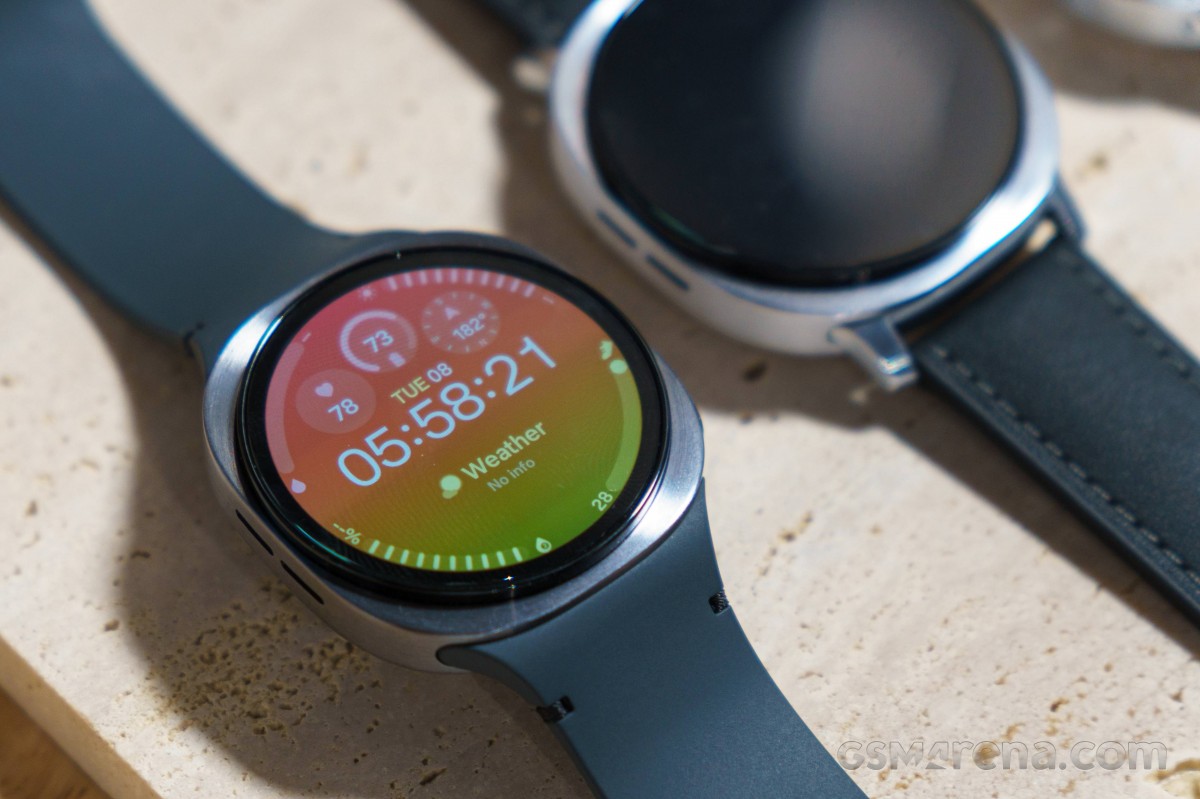
The SoC remains the same - Exynos W1000 based on the 3nm manufacturing node with five CPU cores and a Mali-G68 GPU.
The Galaxy Watch8 Classic, however, offers a solid upgrade over its predecessor, the Galaxy Watch6 Classic. The display is brighter, allegedly up to 3,000 nits and runs on the upgraded Exynos W1000, which is a significant step up from the Exynos W920. The chip promises higher performance and better energy efficiency.
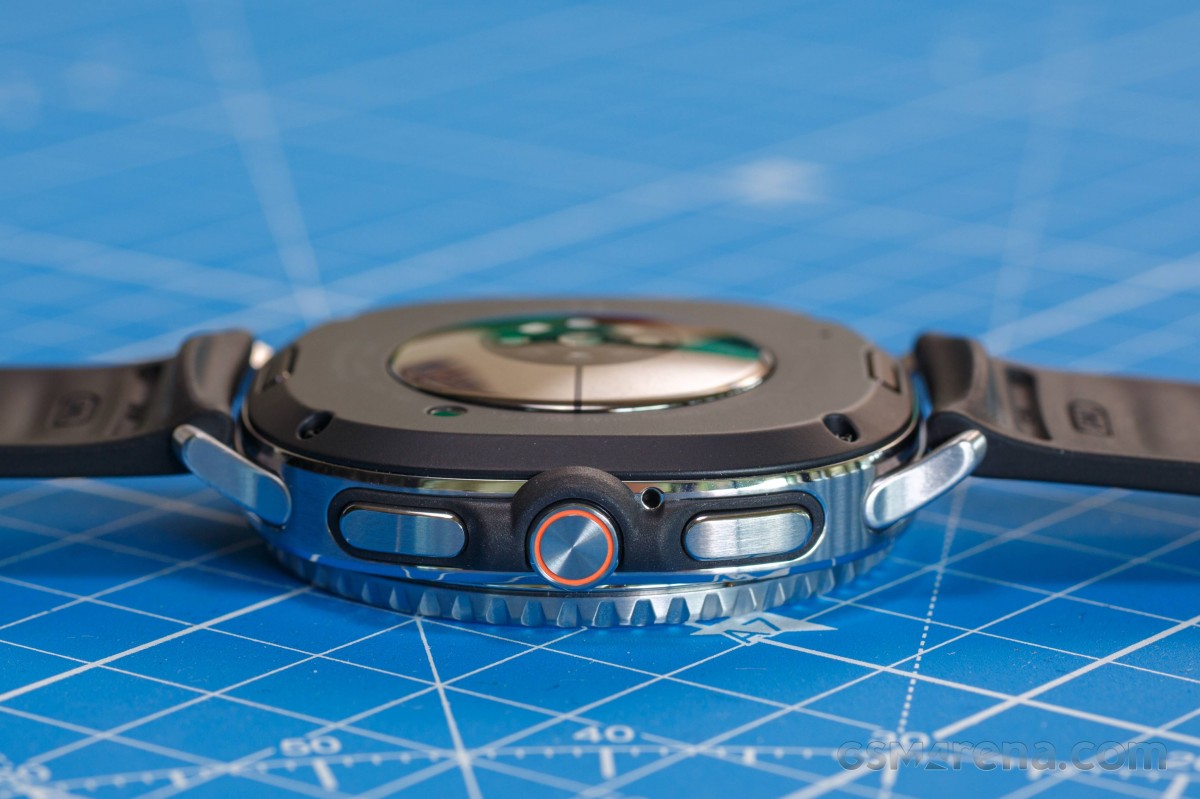
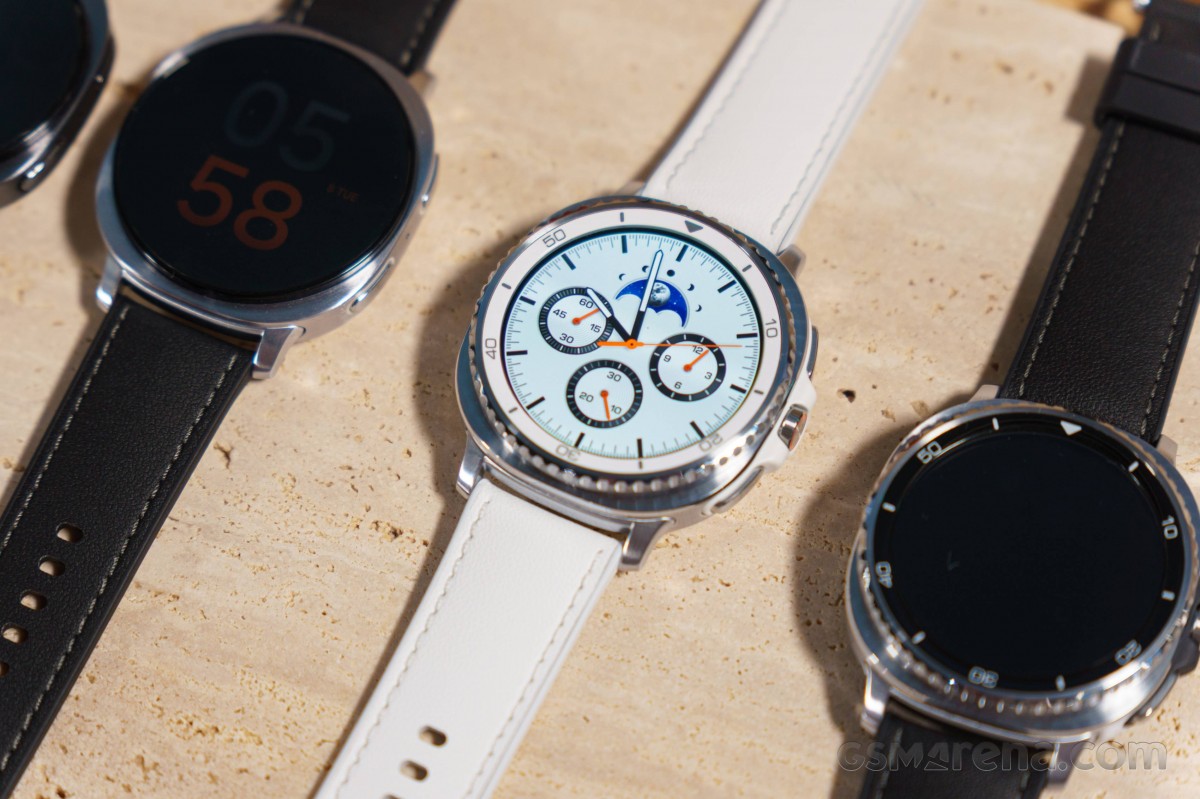
Unfortunately, while the display is brighter, it's also smaller than before. And it's noticeable. The Watch8 Classic now has a 1.34-inch display, as opposed to the 1.5-inch panel on the Watch6 Classic. It's likely a way to differentiate the Classic from the Ultra, as the Ultra features a larger screen. Ultimately, the Classic this year feels quite similar to the Ultra, with the addition of the rotating bezel.
Additionally, this year's Classic gets a storage boost, now 64GB, which, according to Samsung, was needed to handle more AI stuff.
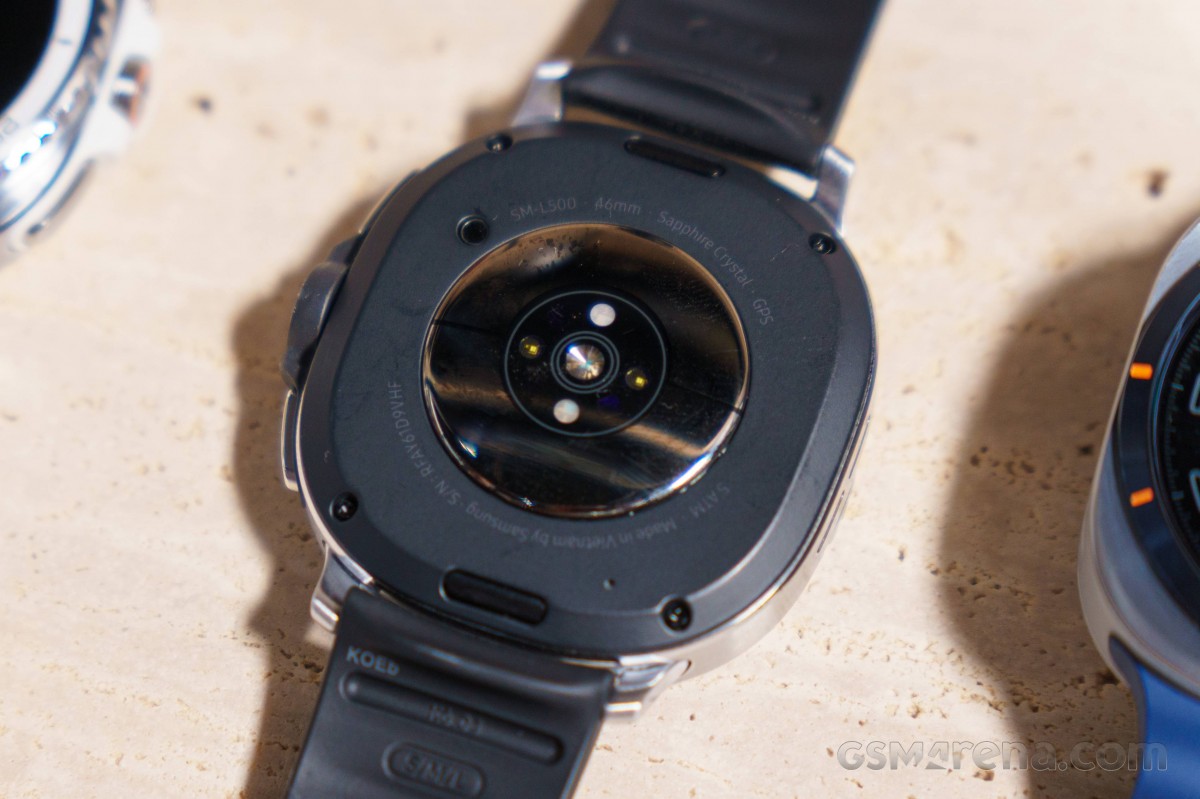
The BioActive sensor gets an update this year, although it's probably not very accurate to call it "a sensor" as it's actually a host of sensors. In addition to the health measurements available in previous generations, such as heart rate, SpO2, skin temperature, and even ECG and blood pressure, the Galaxy Watch8 series can now measure an antioxidant index and vascular load during sleep. Notably, however, ECG and blood pressure measurements are only available when the watch is paired with a Samsung Galaxy smartphone.
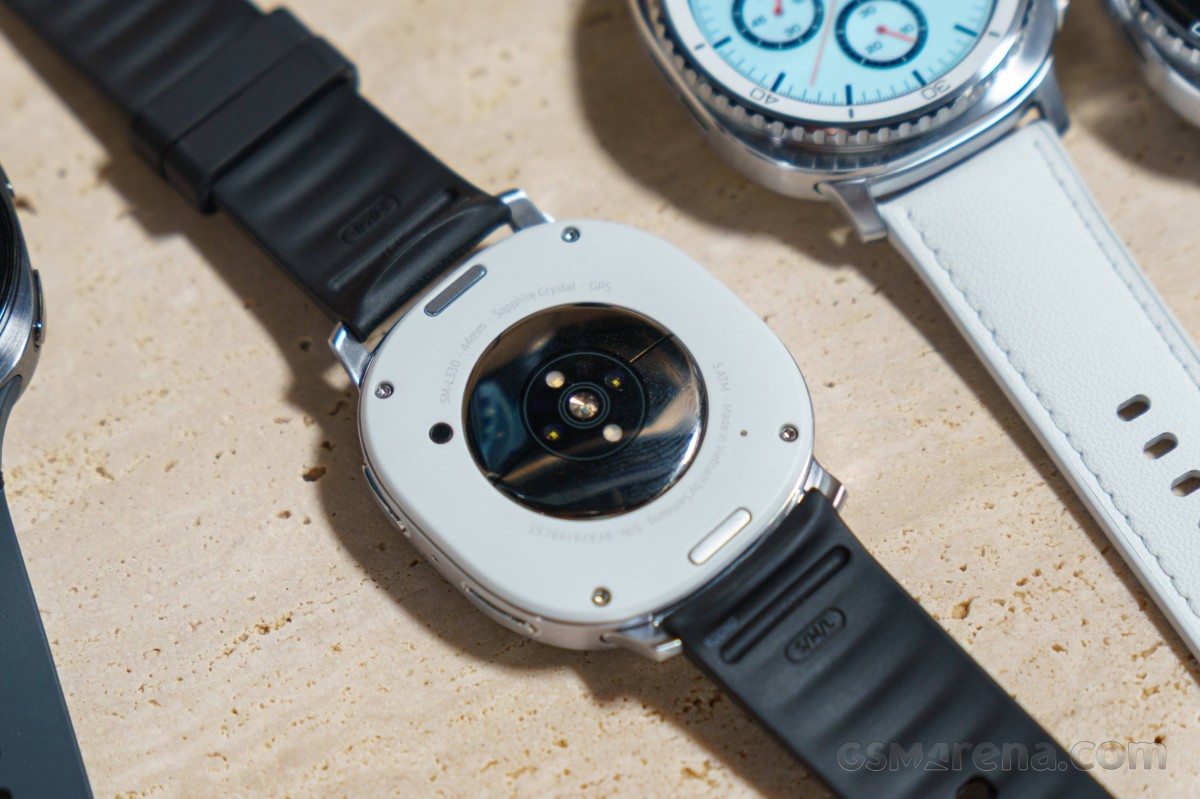
We explore the new health metrics on the following page.
Battery life
Both the Galaxy Watch8 and Galaxy Watch8 Classic offer modest upgrades in battery capacity and rely mostly on the energy efficiency gains from the Exynos W1000 chipset. The Galaxy Watch8's battery cell grows from 425 mAh to 435 mAh on the 44mm variant, while the 40mm option gains 25 mAh (from 300 to 325 mAh). Meanwhile, the Classic gains 20 mAh (from 425 to 445 mAh), compared to its predecessor, the Galaxy Watch6 Classic.
This has resulted in minimal battery life gains as the Galaxy Watch8 Classic ran for a little bit more than two full days away from the charger, approximately 60 hours. This is under normal use, with the display set to automatic brightness, the raise-to-wake function active, at least one 2-hour-long indoor workout, some steps/walking outside, heart rate measurement every 15 minutes, and sleep tracking at night. Turning on the always-on display cuts down the runtime to around 36 hours.
To add some context, those are rather unimpressive runtimes, despite the small improvement compared to the Galaxy Watch6 Classic. The Galaxy Watch Ultra, for example, or the OnePlus 3 both outperform the Watch8 Classic in this regard.

As far as the vanilla Watch8 is concerned, its battery life is very similar, at least the 44mm version we tested. We got a little over 48 hours without always-on display and a little over 24 hours with AOD. Keep in mind that the 40mm version has a significantly smaller battery, so expect somewhat shorter runtimes.
Both watches charge over a proprietary wireless charger supplied with the retail boxes. It's rated at 10W and takes about an hour and a half to fully charge.


Tip us
2.1m 180k
RSS
EV
Merch
Log in I forgot my password Sign up