Xiaomi 17T Pro review
HyperOS 3 on top of Android 16
The Xiaomi 17T Pro runs on HyperOS 3 based on Android 16 out of the box. Just like last year's models, the 17T and the 17T Pro are entitled to 5 major OS upgrades and 6 years of security patches, so they should be upgradeable to Android 21 when it comes out.

Visually, the HyperOS 3 is slightly more refined, but it's the same as HyperOS 2 for all intents and purposes. The most notable new UI feature is the Super Island, which is essentially the same as Apple's Dynamic Island.
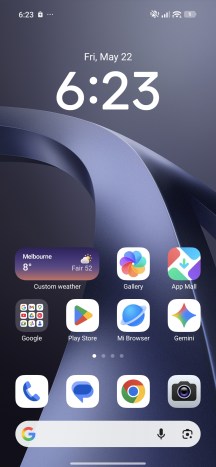
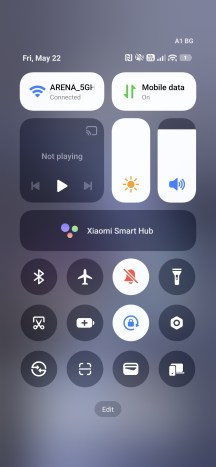
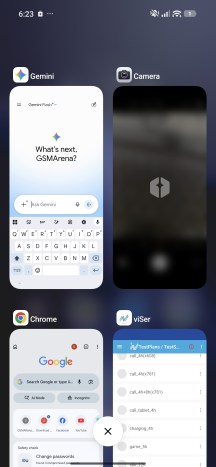
Home screen • Quick toggles • Notification shade
Additionally, Xiaomi introduces a couple of new AI-powered features and wider connectivity support - it can now sync, share and receive data with iPhones, iPads and Macs.
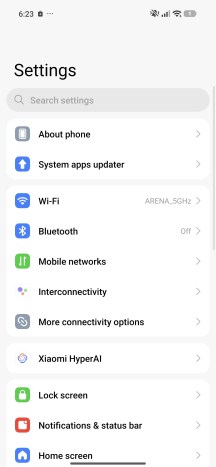
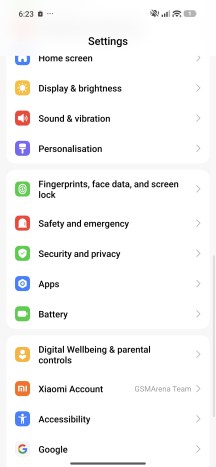
Settings menu
We go over these features in more detail in our Xiaomi 17 Ultra review, so go check out the Software section.
Benchmark performance
Unsurprisingly, the Xiaomi 17T Pro is powered by one of MediaTek's flagship chipsets, which in this case is the Dimensity 9500 - based on 3nm manufacturing node with an All Big Core CPU configuration.
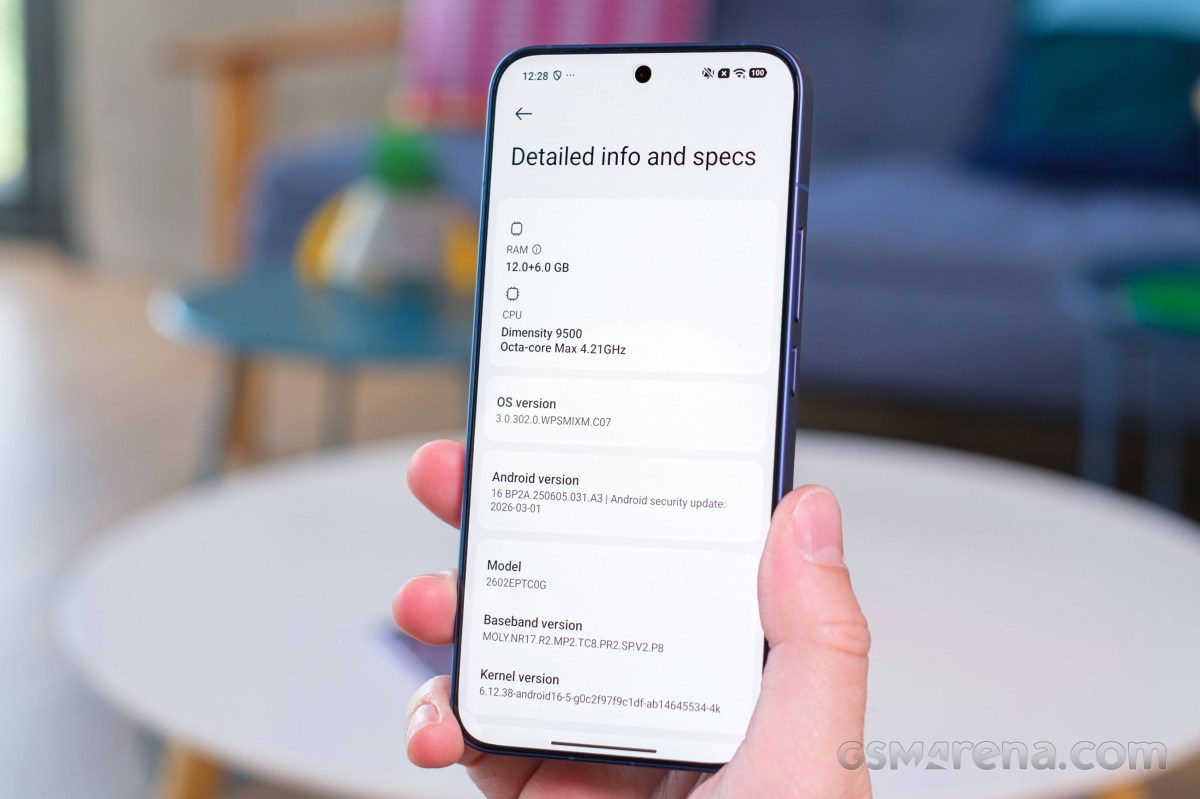
he CPU uses a single Arm C1-Ultra prime core clocked at up to 4.21GHz, joined by three C1-Premium cores, and four C1-Pro cores - the usual 8 in total. There's the Arm G1-Ultra GPU, Mediatek's ninth-gen NPU 990, and the Imagiq 1190 ISP all in action. Madiatek promises 32% higher single-core CPU performance compared to the previous chip (17% multi-core), 33% improvement in peak GPU performance, better AI numbers (of course), as well as efficiency improvements across the board.
The available memory configurations outside of China are three - 12GB/256GB, 12GB/512GB and 12GB/1TB. We have the middle option with us for review. All storage variants come with UFS 4.1 chips.
GeekBench 6
- Single-core
- Multi-core
 Realme GT 8 Pro
 Poco F8 Ultra
 OnePlus 15
 Xiaomi 17T Pro
 Honor 600 Pro

 Galaxy S25 FE
 Xiaomi 17T
AnTuTu
- v10
- v11
Realme GT 8 Pro
Xiaomi 17T Pro
OnePlus 15
 Poco X8 Pro Max
Honor 600 Pro
Galaxy S25 FE
Xiaomi 17T
3DMark
- Wild Life Extreme (Highest)
- Wild Life Extreme (Lowest)
Realme GT 8 Pro
OnePlus 15
Xiaomi 17T Pro
Poco F8 Ultra
Honor 600 Pro
Galaxy S25 FE
Xiaomi 17T
As expected, the Xiaomi 17T Pro is an excellent performer. After all, the Dimensity 9500 chip is MediaTek's most powerful SoC at the time of writing. The handset easily outpaces most of its competitors and its predecessor in all scenarios - CPU and GPU-heavy workloads as well as in combined scenarios like AnTuTu.
Notably, the Dimensity 9500 inside the 17T Pro is considerably faster than the Dimensity 9500s driving the Poco X8 Pro Max, which is expected given the Dimensity 9500's higher CPU clock speeds.
The 17T Pro falls behind just two phones - the OnePlus 15 and the Realme GT 8 Pro. Both devices run on the top-tier Snapdragon 8 Elite Gen 5. But in case you are not into mobile gaming, the performance gap between the two chipsets probably shouldn't concern you.
Sustained performance
The Dimensity 9500 is a powerful SoC that's hard to keep cool, especially with its main cores ticking at more than 4.0 GHz.
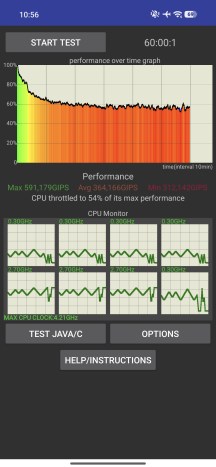
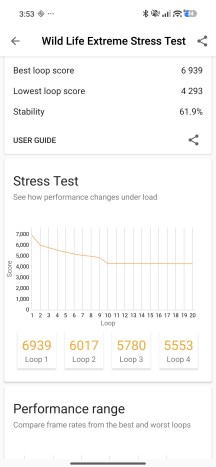
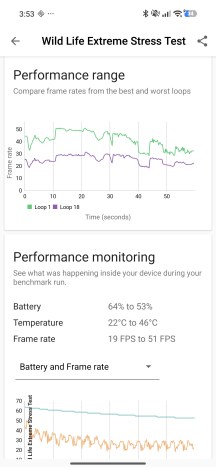
CPU and GPU stress tests
We saw similar behavior to last year's model in the CPU stress test - a quick performance drop within a few minutes of starting the test. Then it settles at around 50% of the theoretical CPU performance.
These results are nothing to write home about, although somewhat expected given the nature of the chipset.


Tip us
2.1m 180k
RSS
EV
Merch
Log in I forgot my password Sign up