Oppo Find X10 review
Display
The Oppo Find X10 features a 6.59-inch LTPO OLED screen with 1272 x 2772 pixels (462ppi), 10-bit color depth, dynamic 144Hz refresh rate, and support for all popular streaming formats - HDR Vivid, HDR10, HDR10+, and Dolby Vision.
The Find X10 supports BT.2020 color gamut with, according to Oppo, industry-leading 95% coverage. The panel is also capable of 1nit low brightness and 3,840Hz PWM dimming.
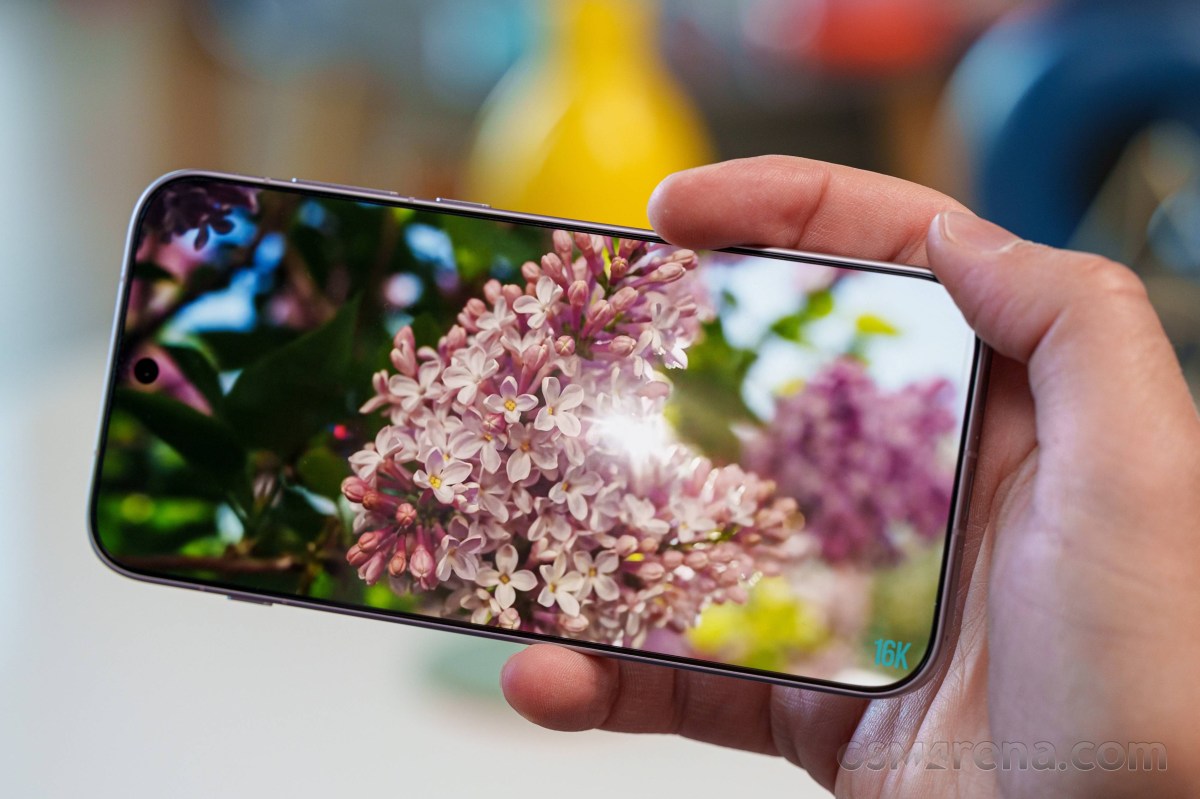
The rest of the official brightness numbers are 2,000 nits for maximum auto and 3,600 nits for peak.
We measured 1,028 nits for maximum automatic brightness with our 75% APL white patch. Surprisingly, there was no boost when we lowered the white patch to 10% APL. The peak brightness we got was 1,086 nits, which is essentially the same.
Those numbers improve dramatically when using the ColorOS Photos app (or another HDR-compatible app). Using the same patches inside the Photos app, we captured 2,314 nits for our 75% APL patch and 3,443 nits for our 10% APL patch, which is in line with what Oppo advertises.
Furthermore, we can confirm the minimum brightness with a white screen is just 1 nit.
Max display brightness test
White test pattern (nits)
- Manual (75% fill)
- Auto (75% fill)
- Peak Auto (10% fill)
 Oppo Find X10 (Gallery)
 OnePlus 15 (gallery)
 Galaxy S26 Ultra
OnePlus 15
 Oppo Find X9 Pro
 Xiaomi 17 Ultra (gallery)
Xiaomi 17 Ultra
 Xiaomi 17
Oppo Find X10
 iPhone 18 Pro
Refresh rate
The Oppo Find X10 comes with an LTPO panel, and it is capable of granular refresh rate control. The Settings menu offers three Refresh Rate options - Auto, Standard, and High.
When using Auto, the system dials down to 1Hz when the screen is idle and goes up to 120Hz in most cases. However, apps like Google Maps or Google Chrome are capped at 90Hz, so you might have to force a higher refresh rate on those apps if you want the smoothest possible experience.
That is where the "High" preset comes to help - it allows you to do that, but you have to select it specifically for each app.
The system doesn't always match refresh rate and frame rate - for example, 24FPS videos are shown at 30Hz, 48FPS - at 60Hz.
Speaking of 60Hz, the Standard mode puts a cap at 60Hz, but it still dynamic and drops down to 1Hz when idling.
Where is the 144Hz refresh rate you might ask? Well, it seems to be reserved only for certain gaming titles where the display boosts to 144Hz. The compatible apps at launch are Mobile Legends: Bang Bang, Call of Duty: Mobile, Brawl Stars, Clash Royale, Real Racing 3, Standoff 2 and Clash of Clans. In everyday use, 120Hz is the maximum you can use.
HDR and streaming
The Oppo Find X10 supports all sorts of HDR video formats - HDR Vivid, HDR10, HDR10+, Dolby Vision. And its capabilities are recognized among all popular video streaming apps, Netflix included.
Battery life
The Oppo Find X10 is powered by an 8,000mAh Si/C battery in most of the world, and this is the test unit we have for review. The EU model gets a battery with a slightly lower capacity at 7,150mAh.
With its 8,000mAh battery, the Find X10 absolutely aced our battery life test by posting an Active Use Score of 25:21 hours, shooting it straight to our Top 5. Its endurance is commendable across the board.
Charging speed
The Oppo Find X10 supports up to 80W fast wired, up to 50W fast wireless, and up to 10W reverse wireless charging.
The global model ships with an 80W SuperVOOC power adapter and an 8A-rated USB cable. And this is the combo we used for the following test.
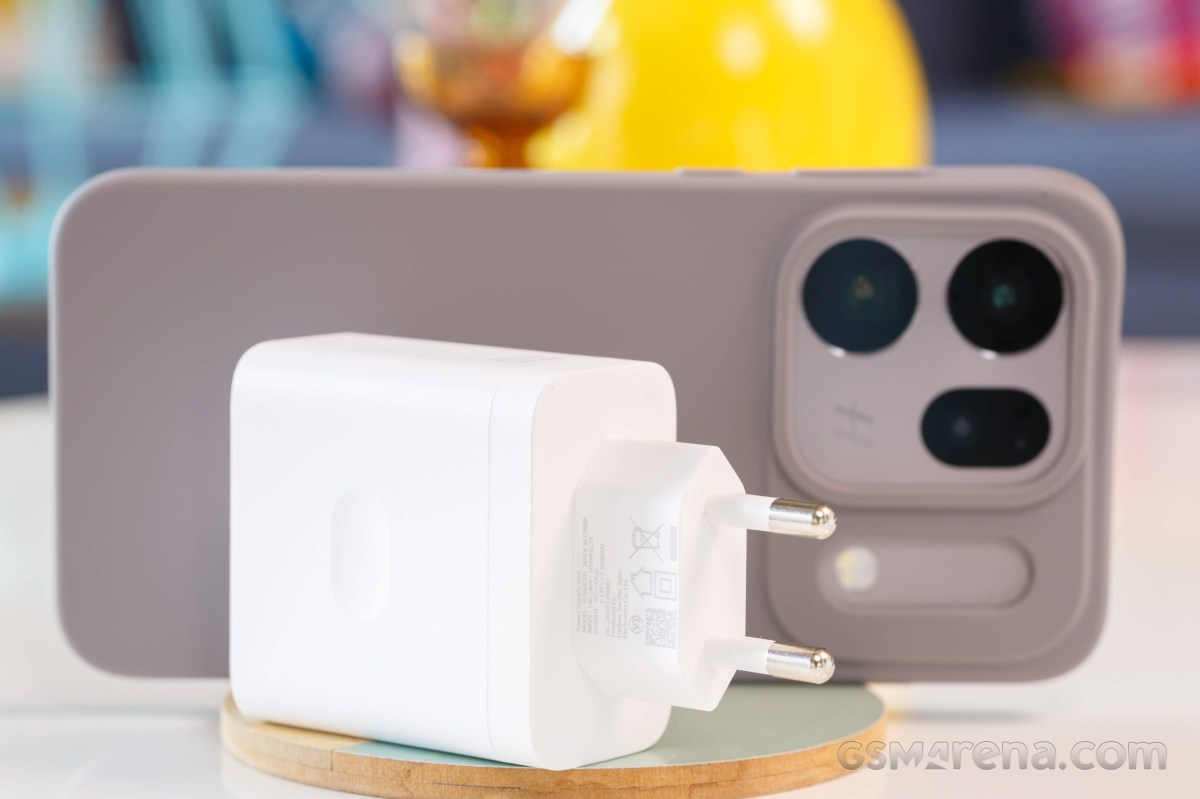
The 80W power adapter recharged 29% of the dead battery in 15 minutes and 51% in 30 minutes. A full charge required 70 minutes, which puts the Find X10 at the bottom of our chart, though let's not forget this is a rather large-capacity battery. The charging speed here was identical to the Oppo Find X10 Pro Max, which has the same size battery and max rated charging power.
Charging speed
- in 15 min
- in 30 min
- Time to full charge (from 0%)
 Galaxy S26 Ultra
OnePlus 15
Xiaomi 17 Ultra
Xiaomi 17
 Poco F9 Ultra
Oppo Find X9 Pro
Oppo Find X10
ColorOS 17 offers a handful of battery health-oriented features like bypass charging, smart charging that learns from your charging behaviors and boosts charging speed only when needed, and the option to set a hard cap limit on how much of the battery is charged, like 85%, for example.
Speakers - loudness and quality
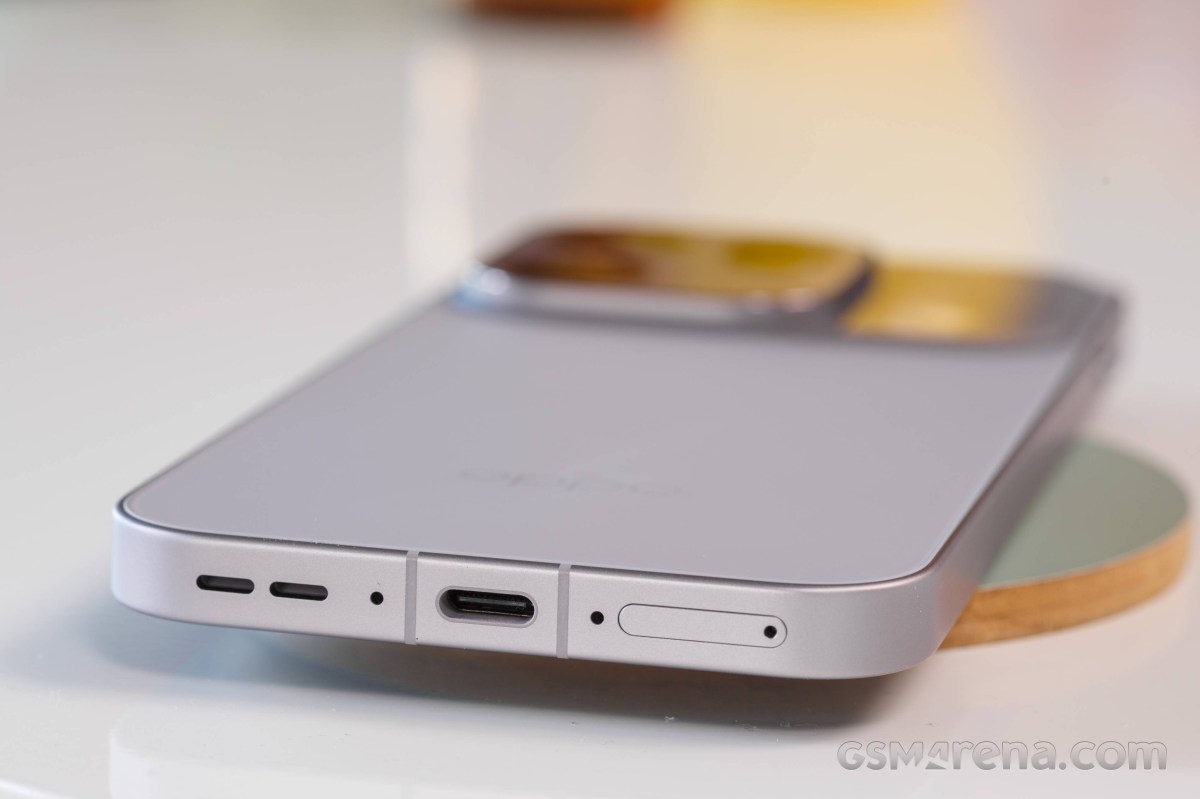
The Oppo Find X10 features a stereo speaker setup: a dedicated speaker at the bottom working alongside the earpiece, which pulls double duty.
Audio balance is solid, even if the top speaker is slightly quieter.
The Find X10 achieved a "Good" score in our loudness test. Its overall sound quality earns a "Very Good" rating, delivering punchy bass, clear vocals, and a rich, detailed high-frequency response.
Use the Playback controls to listen to the phone sample recordings (best use headphones). We measure the average loudness of the speakers in LUFS. A lower absolute value means a louder sound. A look at the frequency response chart will tell you how far off the ideal "0db" flat line is the reproduction of the bass, treble, and mid frequencies. You can add more phones to compare how they differ. The scores and ratings are not comparable with our older loudspeaker test. Learn more about how we test here.


Tip us
2.1m 180k
RSS
EV
Merch
Log in I forgot my password Sign up