Oppo Find X10 Pro Max review
Improved 6.78-inch LTPO OLED display
The Oppo Find X10 Pro Max uses a similar 6.78-inch, 1,272 x 2,772px resolution LTPO OLED display as the Find X9 Pro. But this version of the panel goes up to a 144Hz refresh rate, instead of 120Hz, and it's supposedly brighter. Oppo also lists the PWM frequency higher, now 3840Hz, so it should be easier on people who have more sensitive eyes.
The display's protective glass is Oppo's Crystal Guard Glass, unlike the Oppo Find X9 Pro and Find X9 Ultra, which both use Gorilla Glass Victus 2. We are not sure how the two types of glass compare in durability, but Oppo says they've developed the glass in collaboration with Corning, which is the producer of Gorilla Glass.
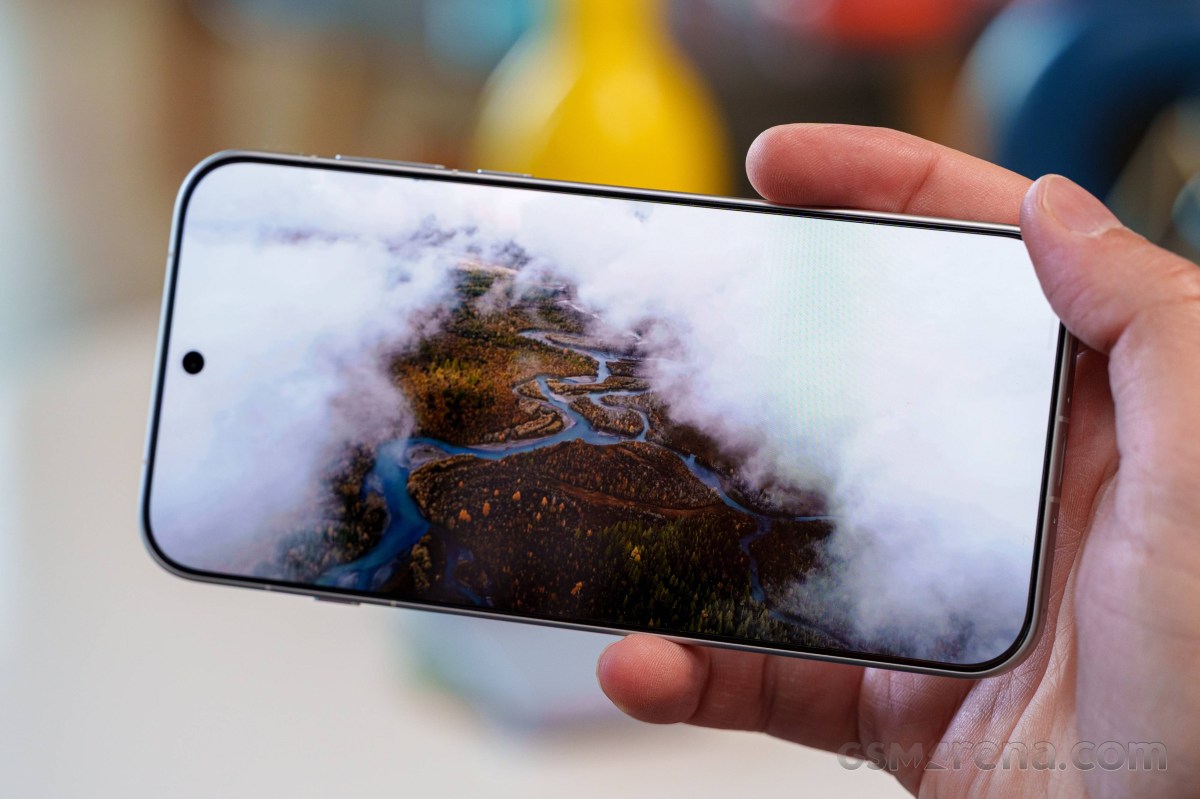
When it comes to HDR video capabilities, the screen doesn't disappoint. HDR10+ is on the menu along with Dolby Vision and HDR Vivid, so expect proper HDR content streaming from your favorite services.
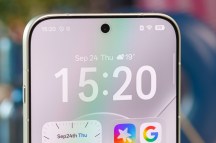
Another interesting bit about this display is the bezels - they measure just 1.15mm in thickness, making them one of the thinnest in the industry.
Oppo Find X10 Pro Max
In our tests, the Find X10 Pro Max's display proved to be indeed slightly brighter than the X9 Pro's on a 75% white patch in auto mode, reaching 2337 nits max. As for the 10% patch (peak brightness), it's about the same as last year - around 3,500 nits.
Notably, these numbers were measured in Oppo's default image gallery app, which is among the few apps that trigger the high-brightness mode. As usual for Oppo phones, if you are viewing content in the browser, the display won't go into special brightness overdrive - you get just over 1,000 nits. It's still enough for outdoor use on a bright sunny day, but it's not the maximum the display is capable of.
We also tested it on YouTube, and the device easily boosted above 2,200 nits.
The minimum brightness is 1 nit, which is perfectly fine for use in even pitch-black environments.
Max display brightness test
White test pattern (nits)
- Manual (75% fill)
- Auto (75% fill)
- Peak Auto (10% fill)
 Oppo Find X10 Pro Max (Gallery)
 Pixel 10 Pro XL
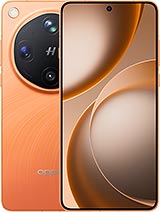 Oppo Find X9 Ultra (gallery)
 Oppo Find X9 Pro (gallery)
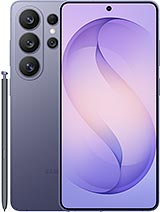 Galaxy S26 Ultra
 Xiaomi 17 Ultra
Oppo Find X10 Pro Max
Refresh rate
Since the device features an LTPO display, the system can adjust the refresh rate granularly between 1 and 144Hz. But in reality, only the 1-120Hz range is usable in the majority of apps. The 144Hz refresh rate is unlocked for select games like Call of Duty Mobile, Mobile Legends: Bang Bang, PUBG Mobile and Free Fire/Free Fire Max, Brawl Stars, Clash Royale, Real Racing 3, Standoff 2 and Clash of Clans. That's considerably more than most manufacturers offer as support for HRR gaming.
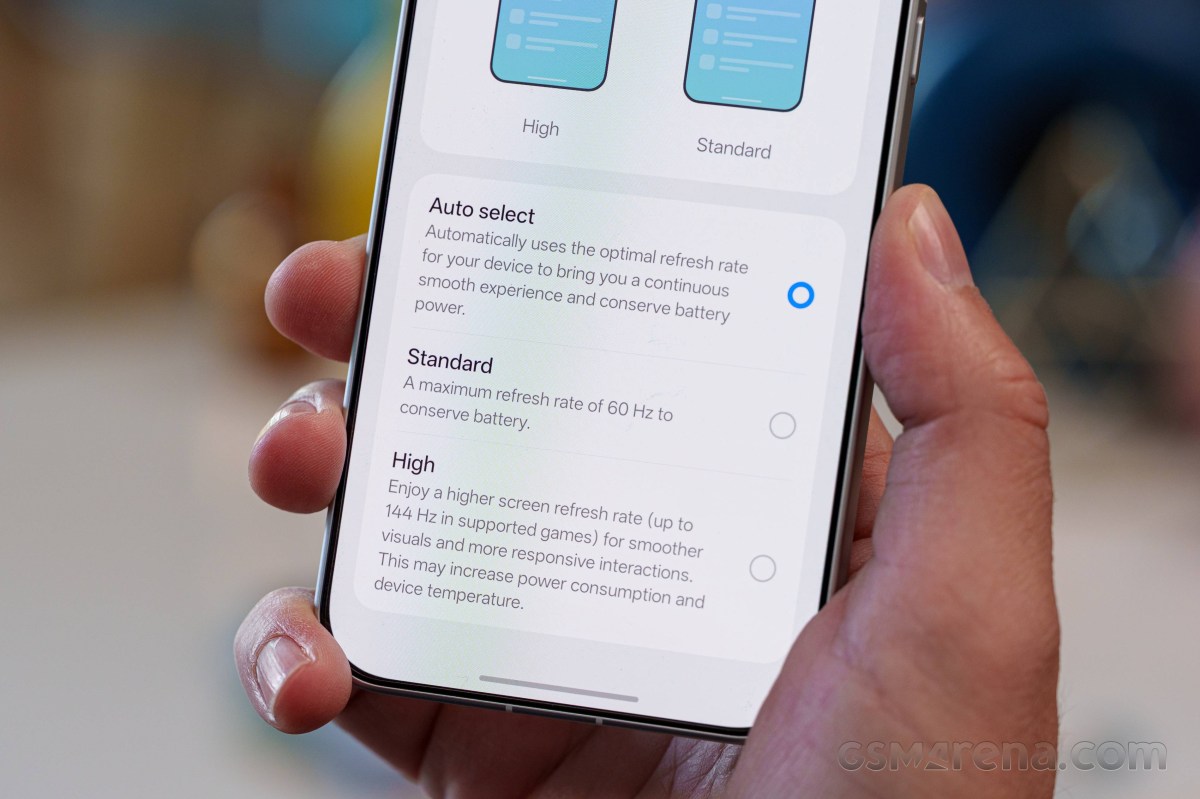
Additionally, some apps like Google Chrome cap at 90Hz unless you select the High refresh rate mode in the Display Settings, which behaves like the Auto mode, but prioritizes 120Hz refresh rate. In either case, expect 1Hz refresh rate on an idle screen/static images.
Last but not least, the display refresh rate will usually match the frame rate of the video you are watching. For instance, a 24fps video on YouTube will negotiate 24Hz with the display. Same goes for 30fps and 60fps videos.
Battery life
The global Find X10 Pro Max boasts an 8,000 mAh battery, which is a decent upgrade over the already huge 7,500 mAh unit last year, but the European consumers once again get the short end of the stick. Their version of the phone arrives with only 7,150 mAh capacity, and that's a step down from last year's 7,500 mAh on the X9 Pro.
In either case, we are convinced that you will be getting excellent battery life, but without a doubt, the global 8,000 mAh unit, which we had the chance to test this year, provides sensibly longer battery life. The Active Use Score is 25:24h, which is quite the achievement, especially for a big-screen phone with a powerful, flagship chipset. It's in fact one of the best performers in this regard.
Charging speed
The handset's charging capabilities are somewhat versatile. You get 80W of wired charging over the proprietary SuperVOOC charging when paired with a compatible charger, and the same goes for the 50W AirVOOC wireless charging. However, if you come across a 55W Power Delivery charger, you can expect pretty snappy refills as well. The reverse wired and wireless charging remain at 10W.
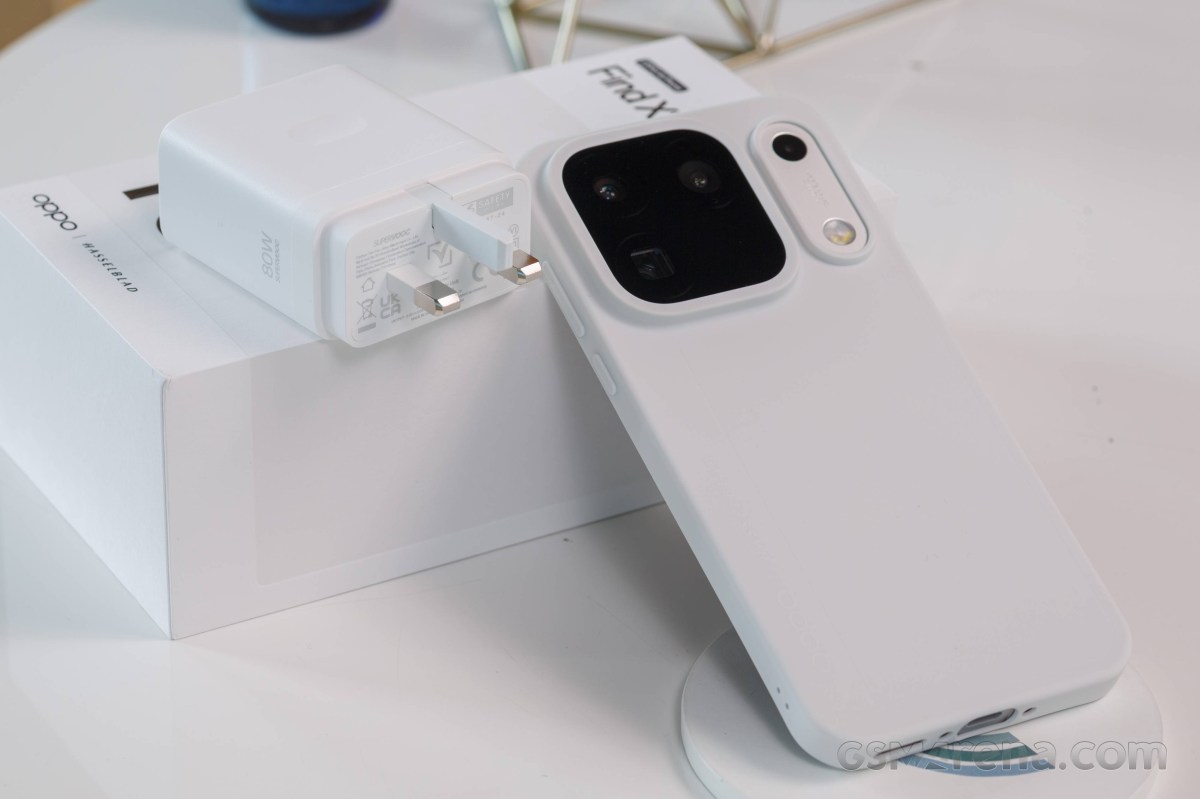
However, Oppo seems to have taken a more conservative approach to charging this year. Charging speeds are slightly slower than on the Find X9 Pro and considerably slower than on some older generations.
The Find X10 Pro Max now takes 1 hour and 10 minutes for a full charge. Even phones like the Google Pixel 11 Pro XL and Samsung Galaxy S26 Ultra outperform it at the 15- and 30-minute marks in terms of battery percentage gained. Granted, these phones have smaller batteries, but even when we look at the actual capacity replenished in milliampere-hours after 30 minutes, the Find X10 Pro Max still trails the Galaxy S26 Ultra, let alone some of its Chinese rivals.
Ultimately, the Find X10 Pro Max falls behind not only in overall charging time but also in the amount of battery capacity it can recover per minute.
Charging speed
- in 15 min
- in 30 min
- Time to full charge (from 0%)
Galaxy S26 Ultra
 Pixel 11 Pro XL
Oppo Find X9 Ultra
Xiaomi 17 Ultra
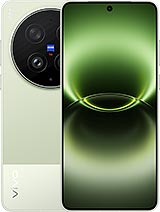 vivo X300 Ultra
Oppo Find X9 Pro
Oppo Find X10 Pro Max
You get a fairly standard set of battery saver and battery health options. It has the Smart charging toggle that attempts to learn your charging habits and does the final top-off just before it predicts you'll be needing the phone. It also allows you to set a limit on charging in 5% increments between 80 and 100%. You can also turn off the Smart rapid charging and have the phone charge slower than its maximum capability.
Speakers
The Oppo Find X10 Pro Max is advertised to have a set of symmetrical stereo speakers, which means balanced output from both speakers. Usually, the top one is slightly quieter with limited bass compared to the bottom one, because it also acts as an earpiece.
In any case, loudness is far from impressive. The device scored merely -28.8 LUFS, which is an "Average" score. Unfortunately, the sound quality is also far from ideal, at least compared to its predecessor, the Find X9 Pro and the currently available Oppo Find X9 Ultra. The Galaxy S26 Ultra also provides nicer sound.
Our main complaint is how flat music tracks sound. It's almost as if the speakers have been stripped of the bass. Tracks generally lack depth and warmth.
Use the Playback controls to listen to the phone sample recordings (best use headphones). We measure the average loudness of the speakers in LUFS. A lower absolute value means a louder sound. A look at the frequency response chart will tell you how far off the ideal "0db" flat line is the reproduction of the bass, treble, and mid frequencies. You can add more phones to compare how they differ. The scores and ratings are not comparable with our older loudspeaker test. Learn more about how we test here.


Tip us
2.1m 180k
RSS
EV
Merch
Log in I forgot my password Sign up