vivo X500 Pro Max review
New sensors on the back, same configuration
The X500 Pro Max brings a few refinements to the camera system without really shaking things up and keeps the same configuration as two generations of Pros before it. A single large-sensor telephoto camera at 85mm joins a wide main camera (at 24mm, unlike the 35mm Ultras) and a relatively conservatively-specced ultrawide - a tried and true formula established on the X200 Pro and carried over to the X300 Pro.
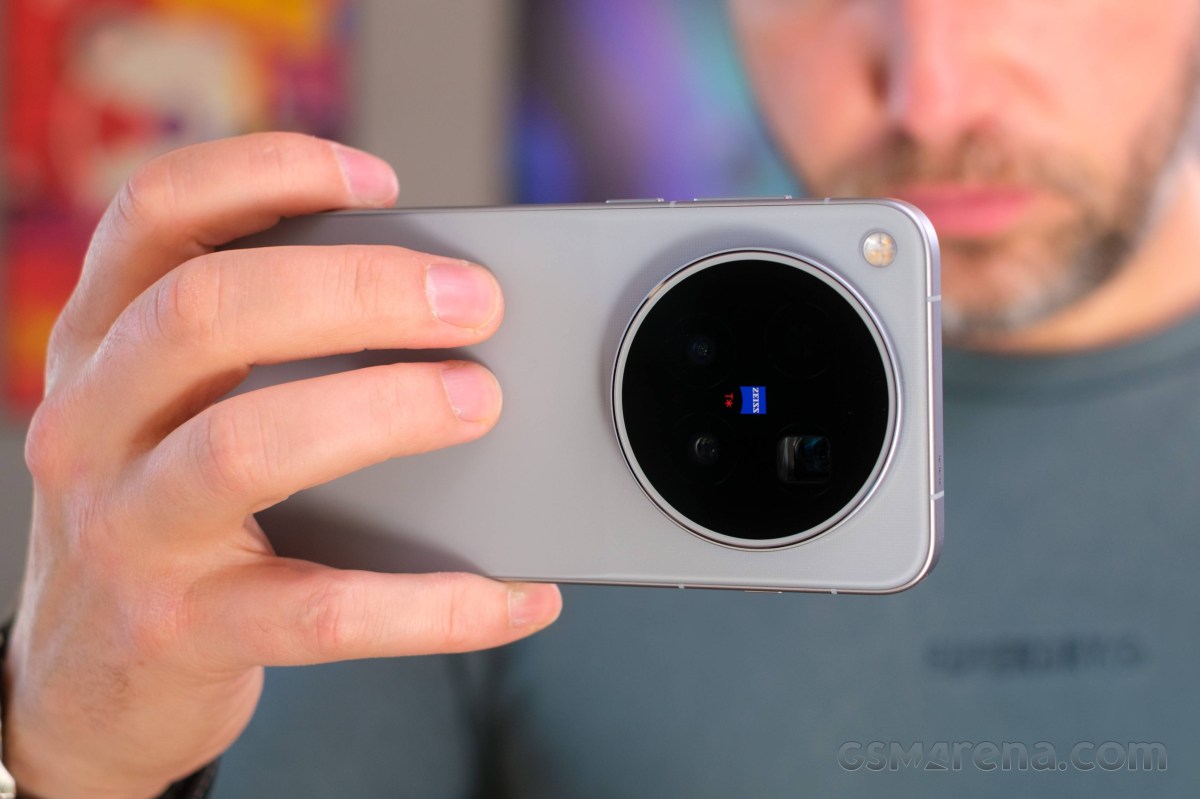
To be fair, the X300 Pro did bring new sensors on the main and the telephoto cameras compared to the X200 Pro before it, and that's also the case with the X500 Pro Max, even if the numbers have remained the same. The main camera is treated to Sony's new LOFIC imager, the Lytia L910. It's still a 50MP 1/1.28" unit, but it's now a LOFIC design (Lateral Overflow Integration Capacitor) for increased full-well capacity and improved dynamic range in a single frame. The vivo is the only one of this year's important Pro Maxes that has a 50MP nominal resolution - the Find X10 Pro Max and the Xiaomi 18 Pro Max both feature 200MP sensors. All three sensors are roughly the same size, which is what matters the most.
The telephoto camera adopts the Samsung HP0 sensor from the X300 Ultra, a 200MP 1/1.4" unit that's seemingly a vivo-exclusive take on the otherwise more widely used HP9. The optical format gives the vivo an edge over those competing Pro Maxes on paper - both the Oppo and the Xiaomi have 1/1.56" sensors for their tele cameras. Similarly, the 3.5x zoom lens is longer than on rivals (85mm here vs. 70mm and 75mm respectively).
On the ultrawide end, things are a little more mundane. The X500 Pro Max does switch from the pretty oldish JN1 (announced in 2021) to the upgraded JN5 (2024), but it's still a fairly pedestrian 50MP 1/2.75" sensor paired with a not particularly wide 15mm equivalent lens. It's still technically better than the Xiaomi (50MP, 1/2.88", 17mm) but the Oppo is in a league of its own (200MP, 1/1.56", 13mm).
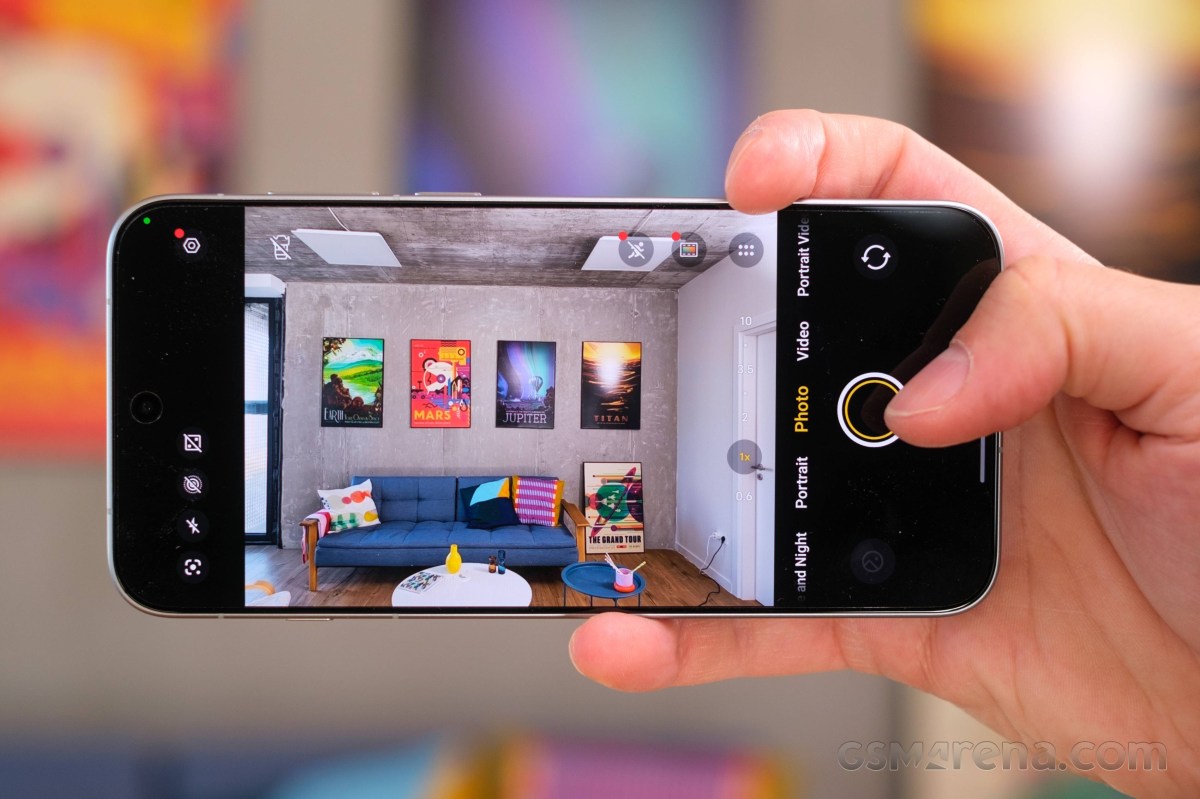
Over on the front, the X500 Pro Max keeps the 50MP JN1 sensor of the predecessor, with the same 20mm lens. Not too shabby, though the Oppo might be a little more enticing with its 18mm lens.
- Wide (main): 50MP Sony Lytia L910 (1/1.28", 1.22µm-2.44µm), f/1.57, 24mm, multi-directional PDAF (13cm - ∞), OIS; 4K240/8K30 video recording.
- Telephoto: 200MP Samsung ISOCELL HP0 (1/1.4", 0.56µm-2.24µm), f/2.67, 85mm (3.5x), multi-directional PDAF (14.5cm - ∞), OIS; 4K120.
- Ultrawide: 50MP Samsung ISOCELL JN5 (S5KJN5, 1/2.75", 0.64µm-1.28µm), f/2.0, 15mm, multi-directional PDAF; 4K60.
- Front camera: 50MP Samsung ISOCELL JN1 (S5KJN1, 1/2.75", 0.64µm-1.28µm), f/2.0, 20mm, PDAF; 4K60.
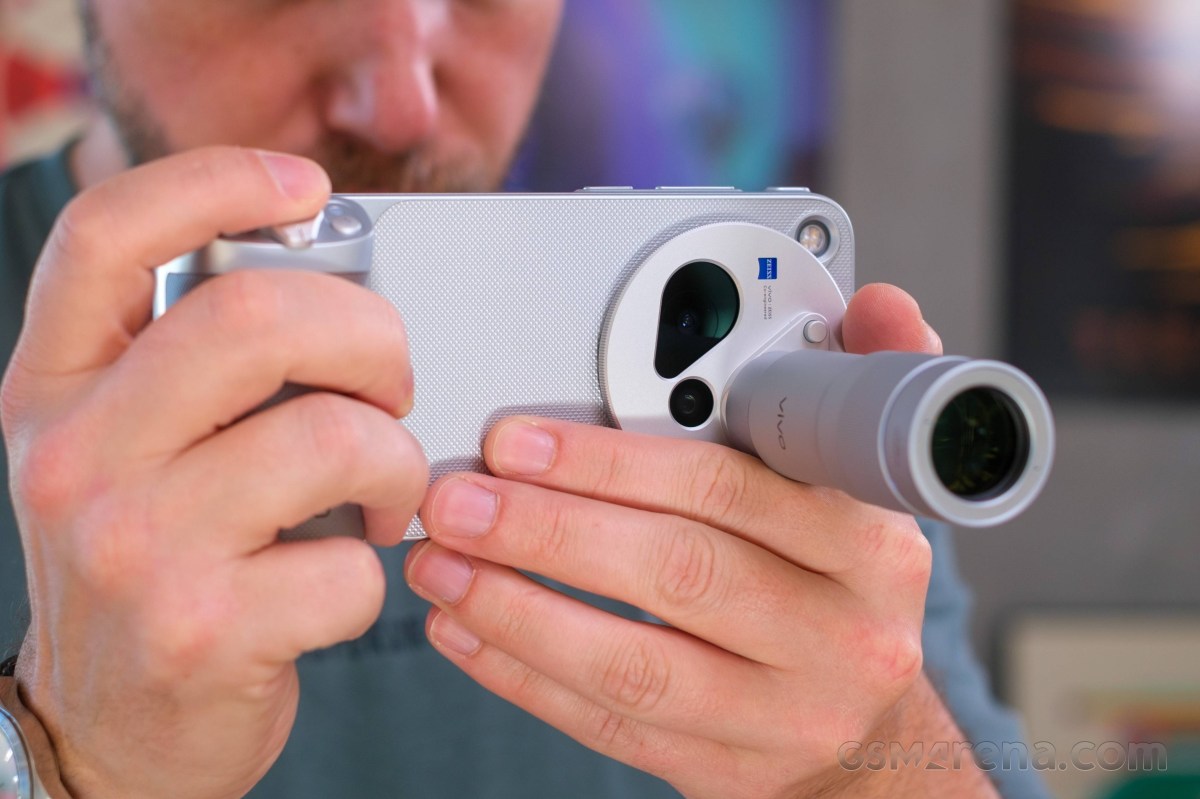
Predictably, there's a telephoto extender kit developed for the X500 Pro Max. That is, the actual lenses are universal between a lot of the company's high-end cameraphone lineup, and there's a tailor-made case for the X500 Pro Max to utilize those. vivo offers two lenses, one that takes your telephoto to 200mm and another that reaches 400mm equivalent. You can get a kit with just the short one, or with both.
Either way, each lens can mount to the same adapter plate that has openings for the other two cameras, so that you can just remove the lens and keep the case and plate on but still use all cameras. It's a significantly better solution than Oppo's teleconverter kit for the Find X10 Pro Max. There's also a battery grip here and a filter adapter ring - more things the Oppo version lacks.
Daylight photo quality
Main camera
The default resolution setting on the main camera will get you 12.6MP images and they're nicely sharp and detailed, if slightly pixelated if you stare from too close for too long. In the standard Vivid color style, there's certainly no shortage of pop - perhaps saturation is bordering on excessive, though it just might be the right amount to make the images universally likeable. Either way, you do get other color styles plus the option to tweak them further. Dynamic range is excellent and contrast is at this specific level that makes vivo images that little bit more appealing than most others.












Daylight samples, main camera (1x)
The main camera's 25MP shots at 1x are also pretty great, though we wouldn't say they bring a meaningful amount of extra detail - they don't have that super sharpened look of the default ones, so maybe there's that.








Daylight samples, main camera (1x), 25MP
For what it's the full-res 50MP images hold their quite respectably in terms of detail and that could be the way to go if you want to extract the absolute most out of a scene.




Daylight samples, main camera (1x), 50MP
Photos of people at 1x look great with lively skin tones and good facial detail. The Portrait mode's added bokeh effect is quite subtle at 24mm, which we appreciate. The 35mm Portrait mode shots are a little softer, but not bad after all.












Human subjects, main camera (1x): Photo mode • Portrait mode • Portrait mode, 35mm
At 2x zoom, the 12.6MP photos are excellent too, with well defined detail and every pixel holding its own - these are among the best 2x shots out there.








Daylight samples, main camera (2x)
If you insist, you can have 25MP versions of them too, but we wouldn't say they bring much to the table.








Daylight samples, main camera (2x), 25MP
Headshots at 2x maintain excellent sharpness in Photo mode, with some of it lost in Portrait mode. The bokeh effect is more pronounced in the 50mm portraits than it is in the 24mm ones, but it's still quite believable.








Human subjects, main camera (2x): Photo mode • Portrait mode
Telephoto camera
The telephoto takes some wonderful photos at its native 85mm equivalent focal length in the default 12.5MP resolution (these are 4,080x3,072px vs the main camera's 4,096x3,072px). They have a more natural rendition of detail with better definition and less apparent sharpening. Colors are quite intense once again, so you might want to tone down saturation, but we can't say we don't like them as they are, and there were no white balance mishaps in our experience.












Daylight samples, telephoto camera (3.5x)
The 25MP versions of these images look a little better at 1:1 than the 1x ones, we reckon, and there just might be a little extra detail here, compared to the 12.5MP 3.5x ones.












Daylight samples, telephoto camera (3.5x), 25MP
The 50MP photos are quite detailed too and there just might be some sense in shooting in that resolution to get the most detail out of a scene. The 200MP images, on the other hand, are probably less worth the additional bytes.




Daylight samples, telephoto camera (3.5x), 50MP




Daylight samples, telephoto camera (3.5x), 200MP
Headshots at 3.5x are excellent too - they have properly great detail, pleasing skin tones, and some pretty decent natural background blur. Portrait mode melts the backgrounds away a little more. The 135mm zoom level in Portrait mode is good for tight frames, and quality is pretty solid too.








Human subjects, main camera (3.5x): Photo mode • Portrait mode • Portrait mode, 135mm
The X500 Pro Max, like other vivos with an 85mm telephoto, likes to zoom in to 5.6x (136mm) when you tap on the 3.5x button instead of going straight to 7x (170mm), which requires two taps. Then there's the 10x shortcut for quick and easy reach too. For completeness' sake we shot at all of those zoom levels.








Daylight samples, telephoto camera (5.6x)
We'd say the binning and downscaling math works better at 7x, as those images look significantly crisper, have more precisely defined random detail (leaves, twigs) and finer straight lines. The 5.6x ones have an air of dreaminess to them that's not exactly bad, it's just that they're simply not as sharp as the 7x ones. And, well, the 7x shots could just as well have come out from a dedicated 7x camera - they don't look upscaled or overly processed.








Daylight samples, telephoto camera (7x)
You can continue to shoot in 25MP at all zoom levels, if that's your thing. At 7x we're not really seeing much benefit though (and the 25MP files are better at 7x than at 5.6x, just like the 12.5MP ones).








Daylight samples, telephoto camera (7x), 25MP
The 10x zoom level is good for some extra reach or tighter framing when the pixel-level quality isn't a top priority or when you'll be sharing those images compressed further. They too aren't bad, but now the sharpening is more in your face and detail isn't exactly super fine. The 25MP files aren't worth your time.








Daylight samples, telephoto camera (10x)
Ultrawide camera
Moving on to the ultrawide, we're looking at excellent sharpness in 12.6MP resolution. Dynamic range is great and colors are generally likeable, though they can look a little cartoonish if you have a ton of greenery in your scene.











Daylight samples, ultrawide camera (0.6x)
The 25MP ultrawide photos aren't really more detailed than the 12.6MP ones.








Daylight samples, ultrawide camera (0.5x), 25MP
For completeness's sake, here's a set of 50MP samples.




Daylight samples, ultrawide camera (0.5x), 50MP
Close-ups
The telephoto cameras of high-end vivo phones have been among the best options for close-up shooting on the market but the competition did up its game along the way. The X500 Pro Max's 3.5x zoom camera with its minimum focusing distance of around 14.5cm is still promising nonetheless, but the Find X10 Pro Max's 70mm lens with its 9-ish centimeter focusing distance will fill the frame with a tiny object a little bit more.
We had a pretty mixed experience with the vivo on our usual subjects, though a lot of it is due to fall now being upon us and with that less light to work with indoors. Things were looking a lot better out in the sun.
We had a pretty mixed experience with the vivo on our usual subjects, though a lot of it is due to fall now being upon us and with that less light to work with indoors. Things were looking a lot better out in the sun.








Close-up samples, telephoto camera (3.5x)








Close-up samples, telephoto camera (7x)
Low-light photo quality
Main camera
Main camera low-light photos at 1x are properly great. They have a wide dynamic range with well preserved highlights and excellent shadow development. Colors maintain the vibrant nature we saw during the day and white balance copes expertly with all sorts of odd lighting combinations. Detail is very good across the board and only flat featureless areas in the shadows can be on the soft side.








Low-light samples, main camera (1x)
Here's how a few of these scenes look when saved in 25MP - we're not sure we're seeing more detail, but you can do your own staring.




Low-light samples, main camera (1x), 25MP
The 2x zoom photos in low light are a bit of a disappointment in terms of sharpness - the daytime 2x photos set a pretty high bar, admittedly, but the low-light ones are nowhere near. The Find X10 Pro Max is substantially better at 2x.








Low-light samples, main camera (2x)
Telephoto camera
The X500 Pro Max does return to the right track with its telephoto camera, capturing superb low-light photos at 3.5x. They have excellent detail, dependable white balance and easily likeable colors, and wide dynamic range - there's not much else to ask for.








Low-light samples, telephoto camera (3.5x)
The 25MP shots don't bring much of an improvement, but we're perfectly happy with the great 12.5MP ones.




Low-light samples, telephoto camera (3.5x), 25MP
As we observed during the day, the 7x photos from the telephoto are better than the 5.6x ones, and in a welcome disparity with the main camera's low-light 2x out, the telephoto camera's 7x shots are pretty great.






Low-light samples, telephoto camera (5.6x)







Low-light samples, telephoto camera (7x)
At 10x, there may be some AI action kicking in to help and it could come up with brickwork detail on its own or texture where there isn't any, but overall the results are more than usable.







Low-light samples, telephoto camera (10x)
Ultrawide camera
In the dark, the X500 Pro Max's ultrawide is doing a solid job - it's not exactly shining, but it's far from terrible as well. It's got excellent dynamic range, the white balance is on point and the vibrant colors are hard to fault. Detail is mostly alright too, particularly given the size of the sensor, but ultimately the Find's ultrawide shots offer more definition.








Low-light samples, ultrawide camera (0.6x)
With that in mind, perhaps it would be wise not to expect too much from the 25MP versions of these photos.




Low-light samples, ultrawide camera (0.6x), 25MP
Selfies
The X500 Pro Max's selfies are pretty great, though we did see some unusual tendencies that rob them of top marks. There are these patches of softness on faces alternating with patches of pixelated facial hair - we're not sure what that's all about. It's not like detail is bad, it's just not uniformly drawn, if that makes sense. Take a step back and you'll enjoy the lifelike skin tones and great colors overall, dynamic range is very good, and low-light performance is respectable too.








Selfie samples, 0.8x
Zoom in to the 24mm-equivalent 1x level and you can expect essentially the same quality, with the same detail peculiarities. 2x looks alright too.




Selfie samples, 1x




Selfie samples, 2x
Photo quality verdict
The vivo X500 Pro Max stays true to tradition and offers a properly great experience and results when shooting stills. The vibrant output characteristic of the brand is easy to like and you can expect excellent daytime photos across the zoom range, including non-native 2x and 7x zoom levels. In the dark, the phone was mostly great as well, though the 2x results were far from convincing. While hardly a dealbreaker, selfies weren't as good as could be.
Video quality
All four cameras of the vivo X500 Pro Max support video recording in 4K30 and 4K60. On the back, you can also get up to 4K240 (!) from the main camera at 1x and 2x, while the telephoto maxes out at 4K120. Also available is 8K30 on the main and telephoto cameras.
You can enable Dolby Vision (from the six-dots context menu in the corner) for all resolution/frame rate combinations other than 8K30 and 4K240. You can also shoot in Log, right in the regular video mode, with two live-preview LUTs available (Rec. 709 and HLG), with the same resolution 'limitations'.
The Pro video mode lets you import your own LUTs, and it also allows you to encode the selected LUT into the finished video in-phone. It also adds 24, 25, 50, and 100fps options for 4K, and 24 and 25fps options for 8K. Pro mode features audio levels monitoring, has a waveform and frame guides, lets you disable the stabilization, and supports the telephoto converter accessory lenses. If there was some sort of A-B focus racking functionality, we wouldn't have been able to come up with anything to complain about.
You can hit 'play' below and use the 'next' button to advance through the playlist of all video samples, or you can watch the full playlist on YouTube.
For video, the vivo X500 Pro Max adopts a more restrained color palette, and we'd say that's a sensible approach given that editing a video after the fact isn't as easy as editing a photo, so the less in-your-face hues are the safer bet. Still, the footage in its default Vivid profile looks far from dull, it's just not as intense as the Photo mode Vivid. Dynamic range and contrast are excellent on all three rear cameras, so no complaints there either.
Sharpness is very good on the main camera at 1x (a smidge better than on the Find X10 Pro Max) and alright-ish at 2x (still notably better than the Oppo). The telephoto is very good at 3.5x and almost surprisingly decent at 10x. The ultrawide's sharpness is likeable too - not setting any standards, but not bad either.





Video screengrabs, daylight: 0.6x • 1x • 2x • 3.5x • 10x
In the dark, the main camera delivers excellent footage. It captures a wide dynamic range preventing spotlights from blowing out but it also maintains great contrast in the process. Colors are great, detail is very good for these conditions. It's a toss up between this and the Find X10 Pro Max, we reckon.
The vivo is doing alright on the ultrawide end, though it can't match the Find's dynamic range and renders its highlights notably more harshly. That should be easily explained with the sensor size advantage of the Find.
The vivo has the sensor size advantage on the telephoto end, but its lens is dimmer than that of the Find and ultimately the X500 Pro Max's clips end up softer and noisier. Still alright, but not as good as on the Find.





Video screengrabs, low light: 0.6x • 1x • 2x • 3.5x • 10x
Stabilization is properly excellent on the vivo X500 Pro Max. Clips shot from a fixed position are nicely stable on the main camera and the ultrawide, and the telephoto is just about as good too. Pans are smooth too. Walking shake is ironed out expertly as well.
Video quality verdict
The X500 Pro Max is properly well equipped in the video recording department with a standout 4K240 capability on the main camera, Dolby Vision all around, and a plenty capable Pro mode. Video quality is very good overall, with very good daytime footage from all three rear cameras and great low-light results from the main camera, with slightly less convincing showing from the telephoto and the ultrawide at night. Stabilization is near-perfect.


Tip us
2.1m 180k
RSS
EV
Merch
Log in I forgot my password Sign up