Stepping up a gear
Samsung Gear S3 review: Stepping up a gear
Final thoughts
Now, we won't pretend that just because it's 2016, smartwatches suddenly make all the sense in the world and have some universal added value to offer to our mobile experience. The fact is, they are still very much a niche product. Most people aren't really willing to shell out north of $300 to try out this new type of device out of sheer curiosity.
However, there is definitely a case to be made about the increasing maturity of products like the Gear S3. Looking at Samsung's latest pair of exquisitely designed smart timepieces, as well as many competing offers from the likes of Huawei or Apple, we feel that now more than ever, the awkward gap between gadget and stylish accessory is finally closing up. It is a good thing too, as the alternative was nothing short of a quick Google Glass style death.
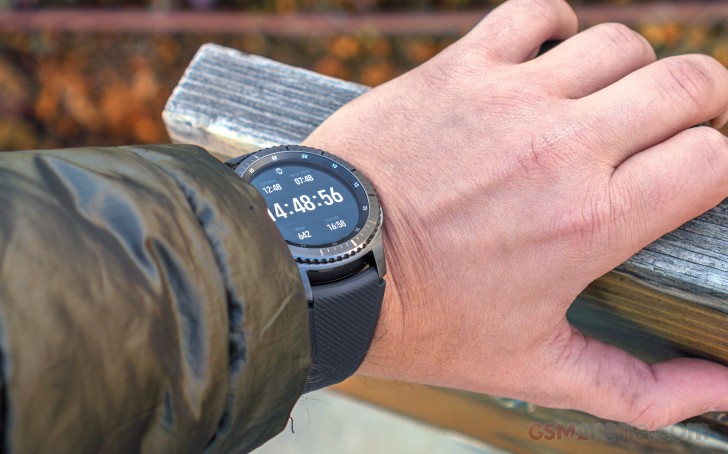
But let's assume you already did the mental gymnastics and arrived at an adequate justification for putting a smartwatch on this year's holiday shopping list. Then the question here is, should the Gear S3 take the spot on said list? Is it any good?
Well, to start off Cupertino-style, the Gear S3 is by far the best Gear smartwatch Samsung has ever made. The Korean giant managed to take everything that made the S2 a unique offer and made it better.
Galaxy Gear S3 key test findings
- The Gear S3 is beautifully designed and is arguably as close as any smartwatch has come to the true wristwatch aesthetic and more importantly, the feel of a real wrist watch. It is quite hefty and has some weight to it, but that only adds to the experience.
- Build quality is top notch. 316L stainless steel and Gorilla Glass SR+ offer excellent protection. The wearable is quite sturdy with an IP-68 and MIL-STD-810G rating.
- Connection options are plentiful on the Gear S3. All of the models have Bluetooth and Wi-Fi for remote operation, which works well. Also NFC and now MST, specifically intended for use with Samsung Pay. GPS now comes standard issue as well. The LTE-enabled Frontier version adds even more versatility to the mix.
- Battery life is noticeably improved in this generation thanks in part to the efficient 14nm Exynos 7270 chipset. A four-day battery life on a single charge is ,quite feasible. Charging, however, isn't really all that speedy and can take up to 3 hours on the wireless charger. Both battery saving modes work great, but the second one is really impressive - kicking in at 5% and leaving you with watch only functionality for an extended period of time extra.
- NFC and MST are a great and unique combination of tech that enables a lot of flexibility in contactless payments. There is additional support for emulating your membership and loyalty cards as well, and the watch is capable of phone-independent payments. We only wish Samsung Pay would come to more countries quicker.
- The custom Tizen OS is tailor made, looks beautiful and is blazing fast. Also, despite missing out on the Android Wear app ecosystem, the Gear S3 is packed with features, nothing important is missing, and there are even some interesting Samsung-exclusive features and advanced customization options to enjoy. Currently, Tizen is arguably more advanced and better at offering independent functionality than Android Wear.
- Samsung has made the Gear S3 compatible with any Android 4.4 or newer handset that has an adequate amount of RAM and horsepower. It works pretty well but does require quite a few services to run on your handset and generally pairing it to a recent Samsung phone ensures the best experience. Otherwise, some features are missing. iOS support is still on the roadmap, but Samsung is yet to deliver on that promise.
- Samsung has taken fitness and activity tracking to a whole new level. The Gear S3 does a great job of automatic detection and tracking, but the real power lies in the manual control over custom exercise types. The S Health suite also tracks a surprising number of stats, it is integrated across the entire Tizen wearable UI and is available for free on non-Samsung devices as well.
If a true watch design is what you are after, then you should probably look no further than the Gear S3. Both the Classic and Frontier shapes take the look and feel of a smartwatch to a whole new level, while skillfully managing to cater well to both an elegant and sporty crowd.
That being said, however, there is still a choice to be made in the software department. With today's climate of unification and standardization in a Web-first tech scene, this is a slightly dated kind of dilemma. One akin to the early years of the PC scene or the ever-shrinking console wars. But, if you want to be an early adopter and hop on the smartwatch scene, you probably have to pick a team.
It is no secret that Google's Android Wear has the bigger crowd and is probably the safer bet. Also, if you are not using a Samsung handset or don't plan on getting one, there is definitely less of an incentive to go for the Tizen option and likely sacrifice much of the advanced functionality and added value. So, what alternatives are out there?
Well, as already mentioned, many OEMs are being cautious and waiting things out, so really cutting-edge hardware is hard to come by. Still, there are great Android Wear options to explore. Just, be sure to dig around for info on Wear 2.0 eligibility, as not all watches will be graced with the important update and its added features, like independent apps and advanced complications. Information is still scarce on the matter, but one thing you might want to look for is the presence of a speaker. The latter seems to be shaping up as an integral part of the Wear 2.0 experience.
The Huawei Watch, for instance, is a good example of a mostly "spec'd-out" Wear device and it will definitely be getting the Wear 2.0 update. In fact, it is one of the two devices, currently eligible to flash a developer preview. Hardware-wise, it also comes pretty close to the Gear S3 aesthetic, with both silver and black 316L stainless steel version available.
You do get a less efficient 28nm Snapdragon 400 SoC, but that is still the norm in the Android Wear realm anyway. It is paired with 4GB of storage and 512MB of RAM. Also a pretty standard issue stuff. Other features include a 400 x 400 pixel, perfectly round AMOLED panel. Overall, you get all the trimmings with the Huawei Watch, including a decent speaker. Only an ambient light sensor is missing. You can currently pick it up for about $200 on sale for the most basic silver one. Black will cost you extra.
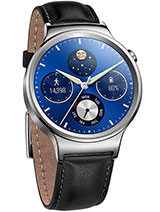
Huawei Watch
When talking smartwatches, we definitely can't fail to mention Motorola. The company is now on the second generation of its Moto 360 device, with its iconic "flat-tire" design. Regarding internals, you get identical hardware specs to the Huawei Watch. On the plus side, the display is a lot bigger at 1.56-inches, and there is an ambient light sensor. However, said panel is of the less power-efficient IPS LCD variety, and there is no loudspeaker.
The second generation Moto 360 will actually set you back about as much as the Gear S3. If you want to go cheaper, the Moto 360 Sport can help you save a few bucks. It does add a GPS to the mix, but its display is considerably smaller, and you get an admittedly sporty design.
The original Moto 360 now goes for less than $100. That one, however, is over two years old now and it's less powerful. It will still run the current Android Wear platform with no issues but it's highly unlikely to ever get Wear 2.0.
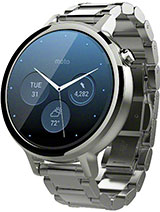
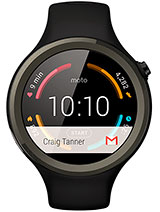
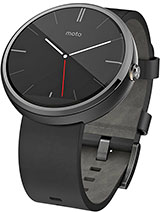
Motorola Moto 360 46mm (2nd gen) • Motorola Moto 360 Sport (1st gen) • Motorola Moto 360 (1st gen)
LG has a few offers as well, but sadly, all from last year. The Korean OEM pulled off an impressive flying start in the Android Wear realm but now appears to be waiting things out as well.
Still, the LG Watch Urbane 2nd edition is definitely worth considering. Just like the LTE variant of the Frontier, it can make use of cellular connectivity for a more untethered experience. With it, you also get a loudspeaker, a 1.38-inch P-OLED round panel, and the familiar Snapdragon 400 SoC. It is also the only other device currently eligible to test drive the Wear 2.0 developer preview.
Unlike most other Wear devices, it also has the benefit of a triple button input design, which we believe looks better. However, it is a costly investment at a bit over $300.
The slightly smaller first generation LG Watch Urbane is a good place to look for savings. It, however, doesn't have a loudspeaker but does cost below $200. Our advice would be to go for the LG G Watch R instead if you don't mind paying $50 or so more. It comes with a more elegant black finish and mostly the same hardware as the original Urbane. You do, however, get a speaker with this one and it might just turn out to be important in the long run.
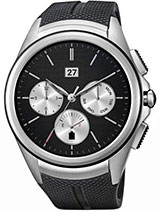
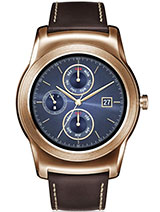
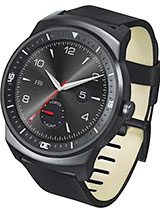
LG Watch Urbane 2nd Edition LTE • LG Watch Urbane W150 • LG G Watch R W110
Unlike LG, ASUS still seems to be investing in its wearable branch. The brand new ZenWatch 3 is the first of the line to employ a circular design. It also has a nice-looking three button setup and will definitely come with the Wear 2.0 OS. It is quite cutting-edge regarding hardware too. The panel is a 1.39-inch, 400 x 400 pixel AMOLED one and you also get newer Bluetooth 4.2 LE, fast charging and a loudspeaker.
It is also based on Qualcomm's new Snapdragon Wear 2100 chipset. The latter comes in a smaller package and enables slimmer devices, but is sadly still based on a 28nm process so there are no tangible benefits in power efficiency. The ZenWatch 3 is still not in stores but should be fairly soon and with a suggested asking price of $230, frankly, it sounds like a great deal.
Cheaper options are also available. The ZenWatch 2 can be picked up at a little over $100. It still gets the job done, and the rectangular shape does have its appeal.
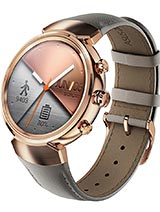
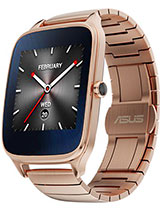
Asus Zenwatch 3 WI503Q • Asus Zenwatch 2 WI501Q
And last, but definitely not least, if you have your heart set on Tizen and appreciate its merits, but $300 seems a little steep for a wearable, the last-gen Gear S2 might be just for you. Samsung has decided to keep supporting and selling the wearable in both its sportier basic version, as well as the Classic. The latter comes really close to the Gear S3 regarding design. There are 3G versions available as well. However, you can only expect to save about $50 or so.


Samsung Gear S2 • Samsung Gear S2 3G • Samsung Gear S2 classic • Samsung Gear S2 classic 3G


Tip us
2.1m 180k
RSS
EV
Merch
Log in I forgot my password Sign up